
Dental Implants in Kharghar – Permanent Solution for Missing Teeth
What Are Dental Implants?
Dental implants provide a safe, durable, and natural-looking solution for replacing missing teeth. Moreover, they improve your smile, restore chewing ability, and help preserve your jawbone. At Sanchita Dental Care in Kharghar, we create personalized treatment plans using advanced technology and modern implant techniques. If you are looking for a permanent tooth replacement, schedule a consultation with our experienced dental team toda
Situations Warranting Dental Implants
- Missing Teeth: Dental implants are ideal for replacing one or more missing teeth.
- Bone Loss: Implants can help prevent further bone loss in the jaw.
- Improved Functionality: For those who struggle with dentures or bridges, implants offer better functionality and comfort.
- Aesthetic Reasons: To improve the appearance of your smile and facial structure.
- Speech Improvement: Missing teeth can affect speech, and implants can help restore normal speech patterns.
Treatment Plans for Dental Implants
- Initial Consultation: Includes X-rays and 3D imaging to assess the condition of your jawbone.
- Treatment Planning: Our dental team creates a customized treatment plan.
- Bone Grafting (if needed): For patients with insufficient bone, a graft may be necessary.
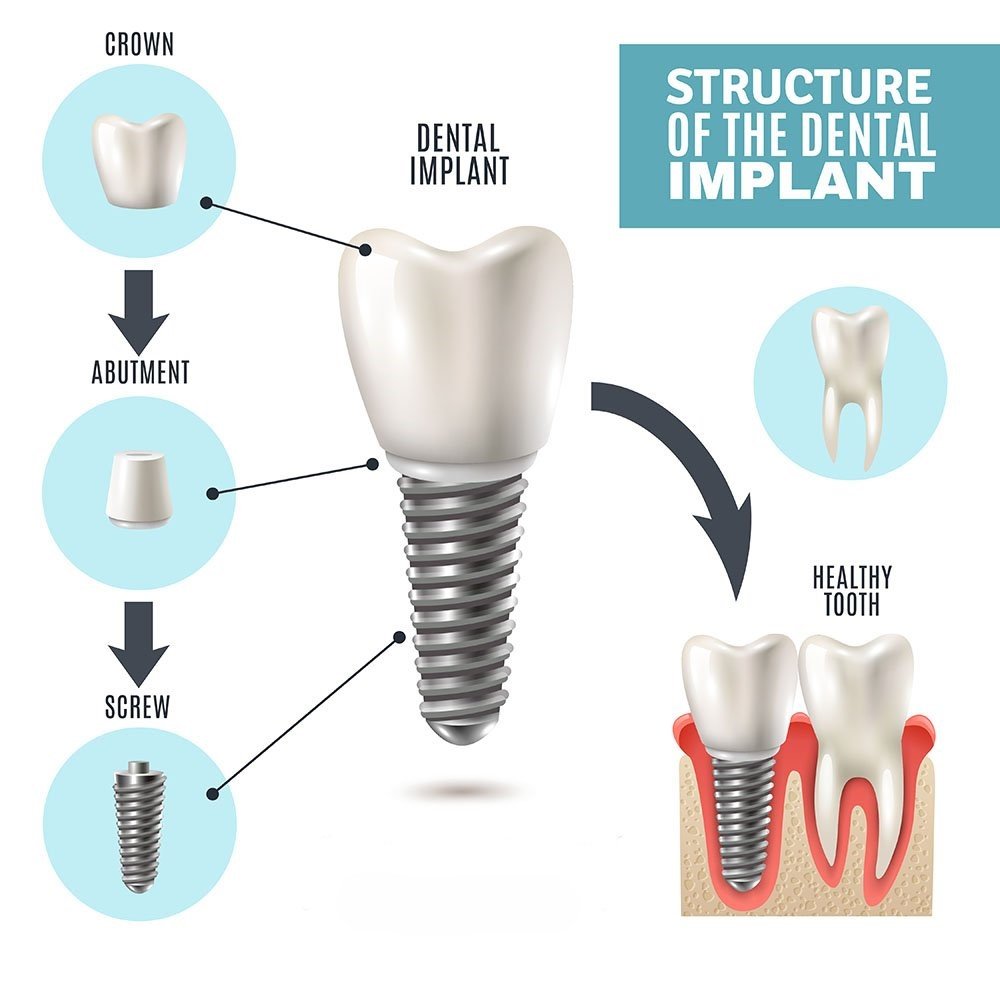
- Implant Placement: Our dentist carefully places the titanium implant into the jawbone.
- Abutment Placement: Once healed, an abutment is attached to connect the implant to the replacement tooth.
- Crown Placement: A custom-made crown is placed on the abutment to complete the restoration.
Advantages of Dental Implants
- Durability: Implants are designed to last many years, often a lifetime with proper care.
- Natural Appearance: They look and feel like natural teeth.
- Improved Oral Health: Unlike bridges, implants do not require altering adjacent teeth.
- Enhanced Comfort: Implants eliminate the discomfort of removable dentures.
- Improved Speech: They allow you to speak without worrying about teeth slipping.
- Easier Eating: Implants function like natural teeth, enabling you to eat comfortably.
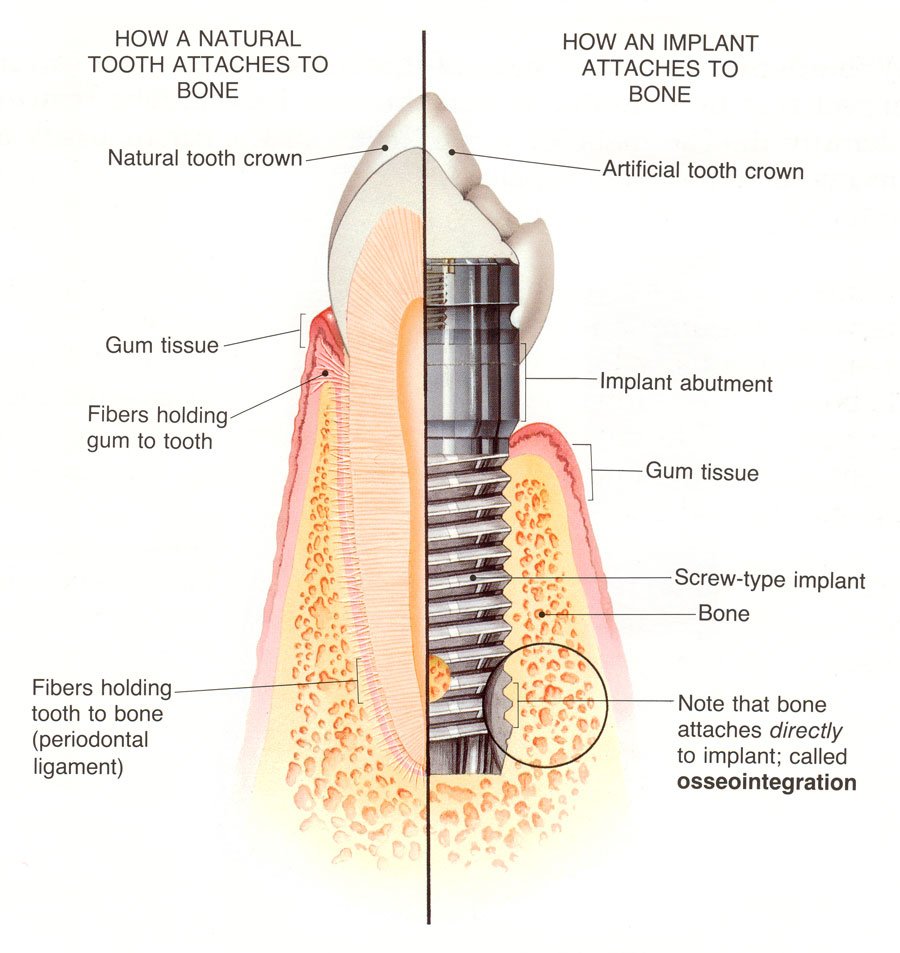
- Bone Preservation: Implants help preserve the jawbone and prevent bone loss.
- Convenience: Implants do not need to be removed like dentures.
Precautions to Be Taken Post-Implant
- Oral Hygiene: Maintain excellent oral hygiene to prevent infection.
- Diet: Avoid hard and sticky foods that can damage the implant.
- Regular Check-ups: Visit your dentist regularly to monitor the implant.
- Avoid Smoking: Smoking can impede healing and increase the risk of implant failure.
- Immediate Care: Follow your dentists instructions for immediate post-operative care.
What a Patient Should Know Before the Procedure
- Health Assessment: Ensure you are in good health, as certain conditions like diabetes or heart disease can affect the success of the implant.
- Bone Density: Adequate bone density is crucial for the success of the implant.
- Time Commitment: The process can take several months from start to finish.
- Cost: Understand the cost involved and whether your insurance covers the procedure.
- Potential Risks: Be aware of potential risks and complications, such as infection or implant failure.
- Lifestyle Changes: Be prepared to make lifestyle changes, such as quitting smoking, to ensure the success of the implant.
Conclusion
Dental implants offer a reliable and long-lasting solution for missing teeth, significantly improving both functionality and aesthetics. By understanding the treatment plans, advantages, precautions, and necessary pre-procedure knowledge, patients can make informed decisions and ensure the success of their dental implants.