
Dentures
Other Treatments
What are Dentures?
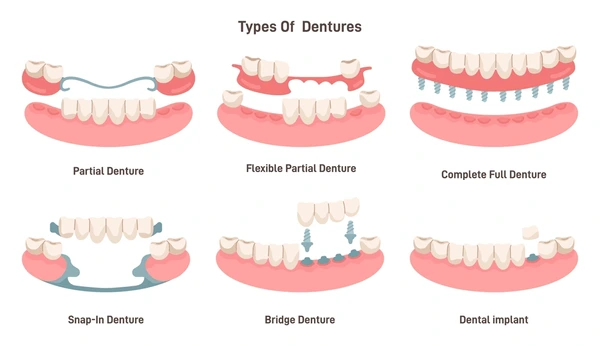
Dentures are prosthetic devices constructed to replace missing teeth and are supported by the surrounding soft and hard tissues of the oral cavity. They can be made from various materials, including acrylic, nylon, porcelain, resin, or metal. There are two main types of dentures: complete dentures and partial dentures.
- Complete Dentures: These are used when all the teeth are missing. They can be either conventional or immediate. Conventional dentures are made after the teeth have been removed and the gum tissue has healed, which may take several months. Immediate dentures are made in advance and can be positioned as soon as the teeth are removed.
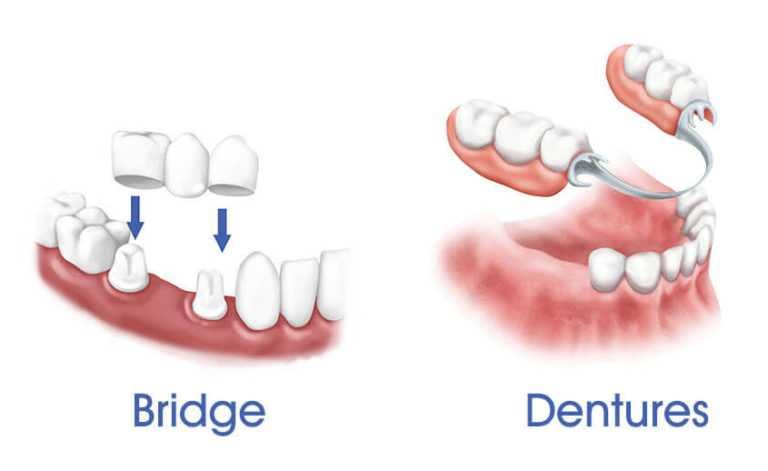
- Partial Dentures: These are used when some natural teeth remain. They consist of replacement teeth attached to a pink or gum-colored plastic base, which is sometimes connected by metal framework that holds the denture in place in the mouth.
Situations Warranting Dentures
Dentures are recommended in several situations, including:
- Multiple Missing Teeth: When multiple teeth are missing, dentures can restore the function and appearance of your smile.
- Severe Tooth Decay: When teeth are severely decayed and cannot be restored with fillings or crowns, dentures may be necessary.
- Gum Disease: Advanced gum disease can lead to tooth loss, making dentures a viable option for restoring oral function.
- Injury or Trauma: Teeth lost due to injury or trauma can be replaced with dentures.
- Aesthetic Improvement: Dentures can improve the appearance of your smile and facial structure, especially if multiple teeth are missing.
Treatment Plans for Dentures
The process of getting dentures typically involves several steps:
- Initial Consultation: The dentist will examine your mouth, take X-rays, and discuss your treatment options. They will determine whether you need complete or partial dentures and explain the process.
- Impressions and Measurements: Impressions of your mouth and measurements of your jaw are taken to create a model for the dentures. This ensures a proper fit and alignment.
- Trial Dentures: A trial denture is created based on the impressions and measurements. You will try on the trial denture to check for fit, comfort, and appearance. Adjustments are made as needed.
- Final Dentures: Once the trial dentures are approved, the final dentures are made. They are fitted and adjusted to ensure comfort and functionality.
- Follow-Up Visits: After the dentures are fitted, follow-up visits are scheduled to make any necessary adjustments and ensure the dentures are functioning properly.
Advantages of Dentures
Dentures offer several benefits, including:
- Restoration of Function: Dentures restore the ability to chew and speak properly, improving overall oral function.
- Aesthetic Improvement: Dentures enhance the appearance of your smile and facial structure, boosting self-confidence.
- Cost-Effective: Dentures are a cost-effective solution for replacing multiple missing teeth compared to other dental restorations.
- Customizable: Dentures are custom-made to fit your mouth, ensuring comfort and a natural appearance.
- Non-Invasive: The process of getting dentures is non-invasive compared to surgical options like dental implants.
Precautions to Take Post-Treatment
After getting dentures, it is essential to take certain precautions to ensure their longevity and maintain oral health:
- Oral Hygiene: Maintain good oral hygiene by brushing your gums, tongue, and the roof of your mouth daily before inserting your dentures. Clean your dentures daily with a denture cleaner.
- Handle with Care: Handle your dentures carefully to avoid dropping and damaging them. When cleaning, stand over a folded towel or a basin of water.
- Avoid Hard Foods: Avoid chewing on hard foods like ice, nuts, and hard candies, as they can damage the dentures.
- Regular Dental Check-ups: Visit your dentist regularly for check-ups and cleanings to monitor the condition of your dentures and overall oral health.
- Soak Overnight: Soak your dentures in water or a mild denture-soaking solution overnight to keep them moist and maintain their shape.
What to Know Before the Procedure
Before getting dentures, it is important to be well-informed about the procedure and what to expect:
- Adjustment Period: It may take some time to get used to wearing dentures. You may experience some discomfort or difficulty speaking and eating initially, but this should improve as you adjust.
- Maintenance: Dentures require regular maintenance and cleaning to ensure their longevity and prevent oral health issues.
- Cost and Insurance: Inquire about the cost of dentures and whether your dental insurance covers the procedure. Many insurance plans cover dentures as part of restorative care.
- Alternatives: Discuss alternative options with your dentist, such as dental implants or bridges, to determine the best solution for your needs.
- Potential Complications: Be aware of potential complications, such as sore spots, difficulty chewing, or changes in fit over time. Regular follow-up visits can help address these issues.
Conclusion
Dentures are a valuable solution for replacing missing teeth and restoring oral function and appearance. By understanding the treatment plans, advantages, precautions, and essential pre-procedure information, you can make informed decisions about your dental care. Regular dental visits and good oral hygiene practices are key to maintaining the health and longevity of your dentures. Always consult with your dentist to determine the best course of action for your specific needs and ensure a successful outcome.