
Fluoride Treatment
Other Treatments
What is Fluoride Treatment?
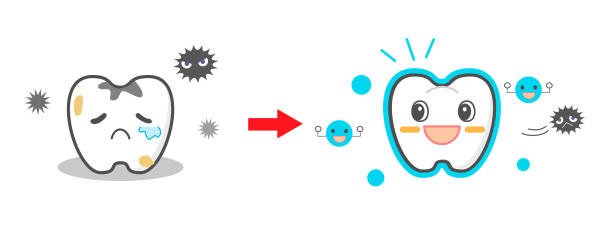
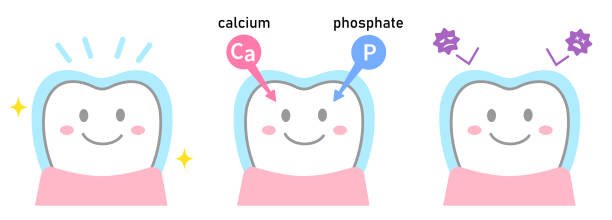
Fluoride treatment involves the application of fluoride to the teeth to help prevent tooth decay and strengthen the enamel. Fluoride is a natural mineral found in water, soil, and various foods. It helps to remineralize tooth enamel, making it more resistant to acid attacks from plaque bacteria and sugars in the mouth.
Situations Warranting Fluoride Treatment
Fluoride treatment is recommended in several situations, including:
- Children and Adolescents: Fluoride treatments are particularly beneficial for children and adolescents, as their teeth are still developing and are more susceptible to decay.
- High Risk of Cavities: Individuals with a high risk of cavities, due to factors such as poor oral hygiene, a diet high in sugars and carbohydrates, or a history of cavities, may benefit from fluoride treatments.
- Dry Mouth Conditions: Conditions that cause dry mouth, such as Sjögrens syndrome or certain medications, can increase the risk of cavities. Fluoride treatments can help protect against decay in these cases.
- Orthodontic Patients: Patients with braces or other orthodontic appliances may have difficulty cleaning their teeth effectively, making fluoride treatments beneficial.
- Gum Disease: Gum disease can expose more of the tooth and its roots to bacteria, increasing the risk of decay. Fluoride treatments can help protect these vulnerable areas.
- Frequent Sugar Intake: Individuals who consume sugary foods and drinks frequently are at a higher risk of cavities and can benefit from fluoride treatments.
Treatment Plans for Fluoride Treatment
The process of fluoride treatment typically involves several steps:
- Initial Examination: The dentist will examine your teeth and discuss your oral health history to determine if fluoride treatment is appropriate for you.
- Cleaning the Teeth: Before applying fluoride, the teeth are thoroughly cleaned to remove any plaque and food particles.
- Application of Fluoride: Fluoride can be applied in various forms, including gel, foam, varnish, or rinse. The dentist will apply the fluoride to your teeth using a brush, tray, or swab.
- Setting Time: The fluoride is left on the teeth for a few minutes to allow it to penetrate the enamel and provide maximum benefit.
- Post-Treatment Instructions: After the fluoride treatment, you may be advised not to eat or drink for at least 30 minutes to allow the fluoride to fully absorb into the enamel.
Advantages of Fluoride Treatment
Fluoride treatment offers several benefits, including:
- Prevention of Cavities: Fluoride helps to remineralize tooth enamel, making it more resistant to decay and reducing the risk of cavities.
- Strengthening of Enamel: Fluoride strengthens the enamel, helping to protect teeth from acid attacks and wear.
- Cost-Effective: Fluoride treatments are a cost-effective preventive measure compared to the cost of treating cavities and other dental issues.
- Quick and Painless: The application of fluoride is a quick and painless procedure that can be completed in a single dental visit.
- Suitable for All Ages: Fluoride treatments are beneficial for both children and adults, making them a versatile preventive measure.
Precautions to Take Post-Treatment
After receiving fluoride treatment, it is essential to take certain precautions to ensure its effectiveness and maintain oral health:
- Avoid Eating or Drinking: Do not eat or drink for at least 30 minutes after the treatment to allow the fluoride to fully absorb into the enamel.
- Oral Hygiene: Maintain good oral hygiene by brushing twice a day and flossing daily. Use a fluoride toothpaste to strengthen your teeth and prevent decay.
- Limit Sugary Foods and Drinks: Reduce the consumption of sugary foods and drinks, as they can contribute to tooth decay.
- Regular Dental Check-ups: Visit your dentist regularly for check-ups and cleanings to monitor your oral health and determine if additional fluoride treatments are needed.
- Address Sensitivity: Some patients may experience mild sensitivity after fluoride treatment. This usually subsides quickly, but if it persists, contact your dentist.
What to Know Before the Procedure
Before undergoing fluoride treatment, it is important to be well-informed about the procedure and what to expect:
- Suitability: Discuss with your dentist whether fluoride treatment is suitable for you or your child. Fluoride treatments are most effective for individuals at high risk of cavities.
- Procedure Duration: The application of fluoride is a quick procedure that typically takes about 10 to 15 minutes to complete.
- Frequency: The frequency of fluoride treatments depends on your oral health needs. Your dentist may recommend treatments every three, six, or twelve months.
- Cost and Insurance: Inquire about the cost of fluoride treatments and whether your dental insurance covers the procedure. Many insurance plans cover fluoride treatments for children as part of preventive care.
- Potential Side Effects: Be aware of potential side effects, such as mild sensitivity or a temporary change in taste. These side effects are usually short-lived.
Conclusion
Fluoride treatment is a valuable preventive measure for protecting teeth from decay and strengthening enamel. By understanding the treatment plans, advantages, precautions, and essential pre-procedure information, you can make informed decisions about your dental care. Regular dental visits and good oral hygiene practices are key to maintaining the health and longevity of your teeth. Always consult with your dentist to determine the best course of action for your specific needs and ensure a successful outcome.