
Dental Veneers
Other Treatments
What Are Dental Veneers?
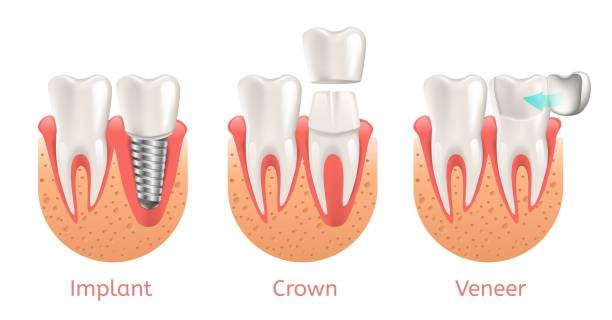
Dental veneers are thin, custom-made shells crafted from porcelain or composite resin that are bonded to the front surface of your teeth. They are designed to improve the appearance of teeth that are discolored, chipped, misaligned, or have gaps between them. Veneers can provide a natural and aesthetically pleasing look, transforming your smile.
Situations Warranting Dental Veneers
Veneers are recommended in several situations, including:
- Discolored Teeth: Teeth that are severely discolored and cannot be whitened through traditional methods can be covered with veneers.
- Chipped or Broken Teeth: Veneers can repair and restore the appearance of chipped or broken teeth.
- Misaligned or Irregularly Shaped Teeth: Teeth that are slightly misaligned, uneven, or irregularly shaped can be corrected with veneers.
- Gaps Between Teeth: Veneers can close small gaps between teeth, creating a more uniform and attractive smile.
- Worn Down Teeth: Teeth that have been worn down due to grinding or other factors can be built up with veneers.
Treatment Plans for Dental Veneers
The process of getting dental veneers typically involves several steps:
- Initial Consultation: The dentist will examine your teeth, discuss your goals and expectations, and determine if veneers are the appropriate solution for your needs. They may take X-rays and impressions of your teeth.
- Tooth Preparation: A small amount of enamel is removed from the front surface of the teeth to make room for the veneers. This is usually about 0.5 millimeters, which is roughly the thickness of the veneer.
- Impressions: Impressions of the prepared teeth are taken to create a model for the custom veneers. This ensures a precise fit.
- Temporary Veneers: Temporary veneers may be placed to protect the prepared teeth while the permanent veneers are being fabricated in the lab.
- Fabrication: The permanent veneers are custom-made in a dental lab based on the impressions. This process may take a few days to a couple of weeks.
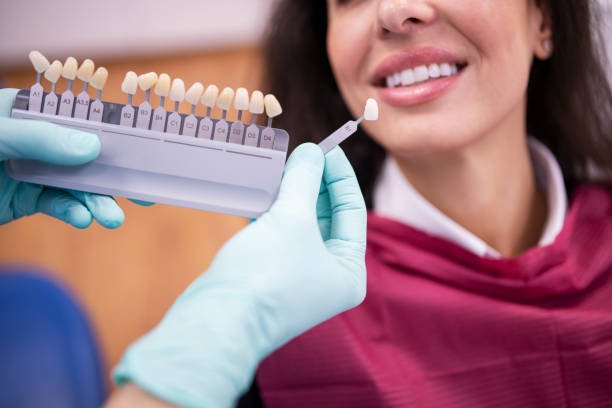
- Fitting and Bonding: Once the permanent veneers are ready, you will return to the dentist for fitting. The dentist will check the fit and color of the veneers and make any necessary adjustments before bonding them to the teeth with a strong dental adhesive.
- Polishing: The veneers are polished to achieve a smooth and natural-looking finish.
Advantages of Dental Veneers
Dental veneers offer several benefits, including:
- Aesthetic Improvement: Veneers can significantly enhance the appearance of your teeth, creating a more attractive and confident smile.
- Natural Appearance: Porcelain veneers mimic the light-reflecting properties of natural teeth, providing a natural and lifelike appearance.
- Stain Resistance: Porcelain veneers are resistant to stains from coffee, tea, and other foods and drinks, helping to maintain a bright smile.
- Durability: Veneers are made from strong materials like porcelain or composite resin, making them durable and long-lasting.
- Minimally Invasive: The procedure is minimally invasive compared to other cosmetic dental treatments, such as crowns.
Precautions to Take Post-Treatment
After getting dental veneers, it is essential to take certain precautions to ensure their longevity and maintain oral health:
- Oral Hygiene: Maintain good oral hygiene by brushing twice a day and flossing daily. Use a fluoride toothpaste to strengthen your teeth and prevent decay.
- Avoid Hard Foods: Avoid chewing on hard foods like ice, nuts, and hard candies, as they can chip or damage the veneers.
- Limit Staining Foods and Drinks: Although porcelain veneers are stain-resistant, it is still advisable to limit the consumption of foods and drinks that can stain, such as coffee, tea, and red wine.
- Regular Dental Check-ups: Visit your dentist regularly for check-ups and cleanings to monitor the condition of the veneers and overall oral health.
- Address Sensitivity: Some patients may experience mild sensitivity to hot or cold foods and drinks after the procedure. This sensitivity usually subsides within a few days. If it persists, contact your dentist.
What to Know Before the Procedure
Before getting dental veneers, it is important to be well-informed about the procedure and what to expect:
- Suitability: Discuss with your dentist whether veneers are suitable for your dental needs. Veneers are most effective for minor cosmetic and structural issues.
- Procedure Duration: The process of getting veneers typically involves two dental visits: one for tooth preparation and impressions, and another for fitting and bonding the veneers.
- Anesthesia: Local anesthesia is used to numb the area around the prepared teeth, ensuring a painless procedure. You may experience numbness for a few hours after the procedure.
- Longevity: Veneers can last several years with proper care, but they may need to be replaced or touched up over time.
- Cost and Insurance: Inquire about the cost of veneers and whether your dental insurance covers the procedure. Many insurance plans do not cover veneers as they are considered a cosmetic treatment.
Conclusion
Dental veneers are a versatile and effective solution for improving the appearance and function of your teeth. By understanding the treatment plans, advantages, precautions, and essential pre-procedure information, you can make informed decisions about your dental care. Regular dental visits and good oral hygiene practices are key to maintaining the health and longevity of your veneers. Always consult with your dentist to determine the best course of action for your specific needs and ensure a successful outcome.