
Wisdom Teeth Removal
Other Treatments
What Are Wisdom Teeth?
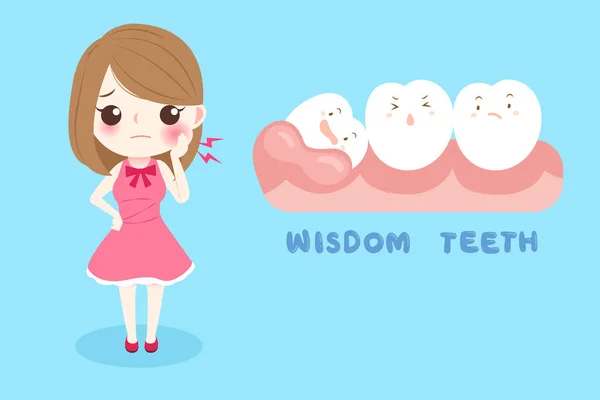
Wisdom teeth, also known as third molars, are the last set of molars that typically emerge in the late teens or early twenties. Most people have four wisdom teeth, one in each corner of the mouth. However, not everyone has enough space in their mouth for these teeth to emerge properly, which can lead to various dental issues.
Situations Warranting Wisdom Teeth Removal
Wisdom teeth removal is recommended in several situations, including:
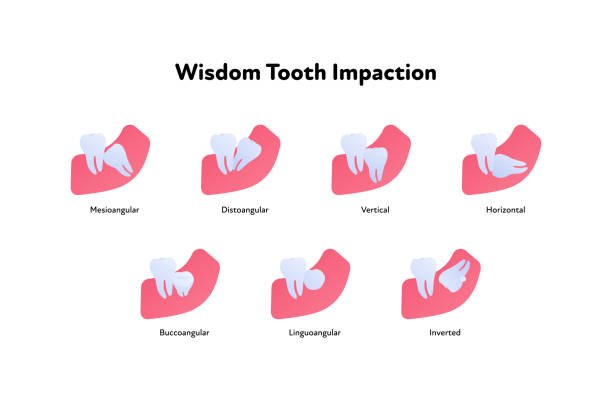
- Impacted Teeth: When wisdom teeth do not have enough space to emerge or develop normally, they can become trapped (impacted) in the jawbone or gums, leading to pain and potential infection.
- Crowding: Wisdom teeth can cause crowding of the other teeth, leading to misalignment and bite problems.
- Decay or Gum Disease: Wisdom teeth are located at the back of the mouth, making them difficult to clean. This can lead to tooth decay and gum disease.
- Cysts or Tumors: Impacted wisdom teeth can sometimes lead to the development of cysts or tumors, which can damage the jawbone and surrounding teeth.
- Pain or Discomfort: Persistent pain or discomfort in the back of the mouth can be a sign that wisdom teeth need to be removed.
Treatment Plans for Wisdom Teeth Removal
The process of wisdom teeth removal typically involves several steps:
- Initial Consultation: The dentist or oral surgeon will examine your mouth, take X-rays, and discuss your symptoms and concerns. They will determine if wisdom teeth removal is necessary and explain the procedure.
- Preparation: Before the procedure, you will receive instructions on how to prepare, including any dietary restrictions and medications to avoid.
- Anesthesia: The procedure is usually performed under local anesthesia, sedation, or general anesthesia, depending on the complexity of the extraction and your comfort level.
- Extraction: The dentist or oral surgeon will make an incision in the gum tissue to expose the tooth and bone. The tooth may be divided into sections to make it easier to remove. Once the tooth is extracted, the area is cleaned, and stitches may be placed to promote healing.
- Post-Procedure Care: After the extraction, you will receive instructions on how to care for the extraction site, manage pain, and prevent complications.
Advantages of Wisdom Teeth Removal
Wisdom teeth removal offers several benefits, including:
- Prevention of Dental Issues: Removing wisdom teeth can prevent potential problems such as impaction, crowding, decay, and gum disease.
- Pain Relief: Extraction can alleviate pain and discomfort caused by impacted or misaligned wisdom teeth.
- Improved Oral Health: Removing wisdom teeth can improve overall oral health by reducing the risk of infection and other dental issues.
- Easier Cleaning: With wisdom teeth removed, it becomes easier to clean the back of the mouth, reducing the risk of cavities and gum disease.
- Avoiding Future Complications: Early removal of wisdom teeth can prevent more serious complications that may arise if the teeth are left untreated.
Precautions to Take Post-Treatment
After undergoing wisdom teeth removal, it is essential to take certain precautions to ensure proper healing and prevent complications:
- Follow Post-Procedure Instructions: Follow the instructions provided by your dentist or oral surgeon, including any dietary restrictions and medications to take.
- Manage Pain and Swelling: Use prescribed pain medications and apply ice packs to reduce swelling and manage pain.
- Maintain Oral Hygiene: Keep the extraction site clean by gently rinsing with salt water and avoiding vigorous brushing or rinsing for the first 24 hours.
- Avoid Certain Foods and Activities: Avoid hard, crunchy, or sticky foods, as well as smoking and drinking through a straw, as these can dislodge the blood clot and delay healing.
- Monitor for Complications: Be vigilant about any signs of complications, such as excessive bleeding, severe pain, or signs of infection, and contact your dentist or oral surgeon if you experience any issues.
What to Know Before the Procedure
Before undergoing wisdom teeth removal, it is important to be well-informed about the procedure and what to expect:
- Procedure Duration: The duration of the procedure depends on the complexity of the extraction. Simple extractions may take about 20-30 minutes, while more complex cases may take longer.
- Anesthesia Options: Discuss the different anesthesia options with your dentist or oral surgeon to determine the best choice for your comfort and the complexity of the procedure.
- Recovery Time: Recovery time varies from person to person, but most people can expect to recover within a few days to a week. Full healing of the extraction site may take several weeks.
- Potential Risks and Complications: Be aware of potential risks and complications, such as dry socket, infection, nerve damage, and sinus issues. Your dentist or oral surgeon will discuss these with you.
- Cost and Insurance: Inquire about the cost of wisdom teeth removal and whether your dental insurance covers the procedure. Many insurance plans cover extractions as part of oral surgery.
Conclusion
Wisdom teeth removal is a common and often necessary procedure to prevent or resolve dental issues caused by the third molars. By understanding the treatment plans, advantages, precautions, and essential pre-procedure information, you can make informed decisions about your dental care. Regular dental visits and good oral hygiene practices are key to maintaining the health and longevity of your teeth and gums. Always consult with your dentist or oral surgeon to determine the best course of action for your specific needs and ensure a successful outcome.