
Sleep Apnea
Other Treatments
What is Sleep Apnea?
Sleep apnea is a condition where breathing repeatedly stops and starts during sleep. There are three main types of sleep apnea:
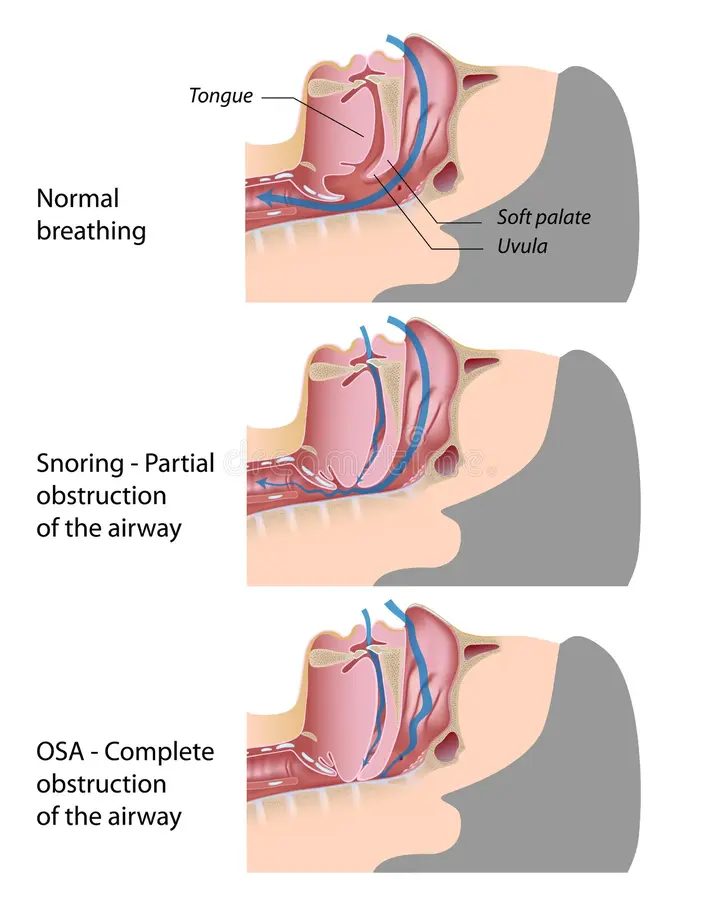
- Obstructive Sleep Apnea (OSA): The most common form, caused by the relaxation of throat muscles, leading to a blockage of the airway.
- Central Sleep Apnea (CSA): Occurs when the brain fails to send proper signals to the muscles that control breathing.
- Complex Sleep Apnea Syndrome: Also known as treatment-emergent central sleep apnea, it is a combination of OSA and CSA.
Situations Warranting Sleep Apnea Treatment
Sleep apnea treatment is recommended in several situations, including:
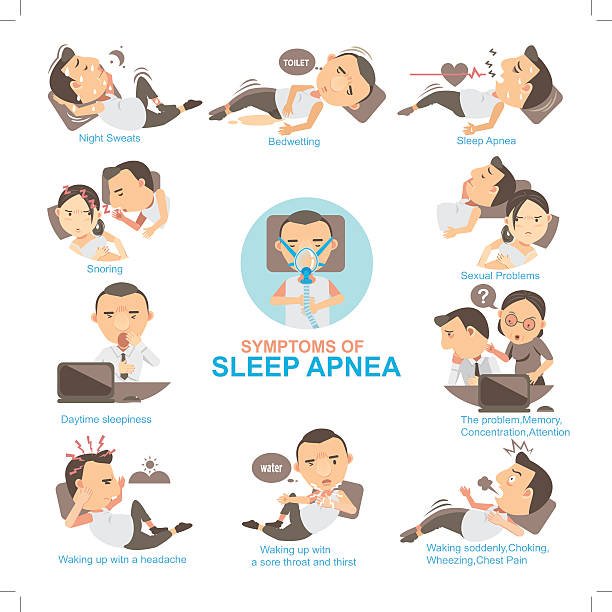
- Loud Snoring: Persistent and loud snoring, especially when accompanied by pauses in breathing, can indicate sleep apnea.
- Daytime Sleepiness: Excessive daytime sleepiness and fatigue, despite getting a full nights sleep, can be a sign of sleep apnea.
- Observed Apneas: If someone observes you having episodes of stopped breathing during sleep, it warrants further investigation.
- High Blood Pressure: Sleep apnea is often associated with hypertension, and treating the sleep disorder can help manage blood pressure.
- Heart Problems: Sleep apnea can contribute to cardiovascular issues, including heart attacks and strokes.
- Diabetes: There is a strong link between sleep apnea and type 2 diabetes, making treatment essential for managing both conditions.
Treatment Plans for Sleep Apnea
The treatment for sleep apnea depends on the severity of the condition and the underlying cause. Common treatment plans include:
- Lifestyle Changes: For mild cases of sleep apnea, lifestyle changes can be effective. These include losing weight, quitting smoking, avoiding alcohol and sedatives, and sleeping on your side.
- Continuous Positive Airway Pressure (CPAP): CPAP is the most common and effective treatment for moderate to severe OSA. It involves wearing a mask over the nose or mouth that delivers a continuous stream of air to keep the airway open during sleep.
- Oral Appliances: Custom-made oral appliances, similar to mouthguards, can help keep the airway open by repositioning the jaw and tongue. These are particularly useful for mild to moderate OSA.
- Surgery: Surgical options may be considered if other treatments are ineffective. These can include removing excess tissue from the throat, repositioning the jaw, or implanting devices to stimulate the airway muscles.
- Positional Therapy: For patients whose sleep apnea is worse when sleeping on their back, positional therapy can help. This involves using devices or techniques to encourage side sleeping.
- Adaptive Servo-Ventilation (ASV): ASV is a newer treatment for CSA and complex sleep apnea. It adjusts the pressure based on the patients breathing patterns to ensure stable breathing during sleep.
Advantages of Sleep Apnea Treatment
Treating sleep apnea offers several benefits, including:
- Improved Sleep Quality: Treatment helps restore normal breathing patterns, leading to better sleep quality and reduced daytime sleepiness.
- Reduced Risk of Health Complications: Effective treatment can lower the risk of serious health issues, such as heart disease, stroke, and diabetes.
- Enhanced Quality of Life: Patients often experience improved mood, cognitive function, and overall quality of life after treatment.
- Decreased Snoring: Treatment can significantly reduce or eliminate snoring, improving sleep for both the patient and their partner.
- Better Blood Pressure Control: Managing sleep apnea can help control high blood pressure, reducing the risk of cardiovascular problems.
Precautions to Take Post-Treatment
After receiving treatment for sleep apnea, it is essential to take certain precautions:
- Adherence to Treatment: Consistently use prescribed treatments, such as CPAP or oral appliances, as directed by your healthcare provider.
- Regular Follow-Ups: Schedule regular follow-up appointments with your sleep specialist or dentist to monitor your condition and adjust treatment as needed.
- Maintain a Healthy Lifestyle: Continue with lifestyle changes, such as maintaining a healthy weight, avoiding alcohol and smoking, and practicing good sleep hygiene.
- Monitor Symptoms: Keep track of any changes in your symptoms and report them to your healthcare provider. This includes any new or worsening symptoms.
- Equipment Maintenance: For CPAP users, regularly clean and maintain the equipment to ensure its proper functioning and prevent infections.
What to Know Before the Procedure
Before undergoing treatment for sleep apnea, it is important to be well-informed:
- Diagnosis: A proper diagnosis is essential. This typically involves a sleep study, either at a sleep center or at home, to monitor your breathing patterns, oxygen levels, and other vital signs during sleep.
- Treatment Options: Discuss the various treatment options with your healthcare provider to determine the best plan for your specific condition.
- Potential Side Effects: Be aware of potential side effects of treatments, such as nasal congestion or dryness with CPAP, or jaw discomfort with oral appliances.
- Insurance Coverage: Inquire about the cost of treatments and whether your health insurance covers sleep apnea treatments, including CPAP machines and oral appliances.
- Lifestyle Adjustments: Be prepared to make necessary lifestyle adjustments to support your treatment and improve your overall health.
Conclusion
Sleep apnea is a serious condition that can significantly impact your health and quality of life. By understanding the treatment plans, advantages, precautions, and essential pre-procedure information, you can make informed decisions about your care. Regular follow-ups with your healthcare provider and adherence to prescribed treatments are key to managing sleep apnea effectively. Always consult with your dentist or sleep specialist to determine the best course of action for your specific needs and ensure a successful outcome.