
Tooth Bridge
Other Treatments
What Is a Tooth Bridge?
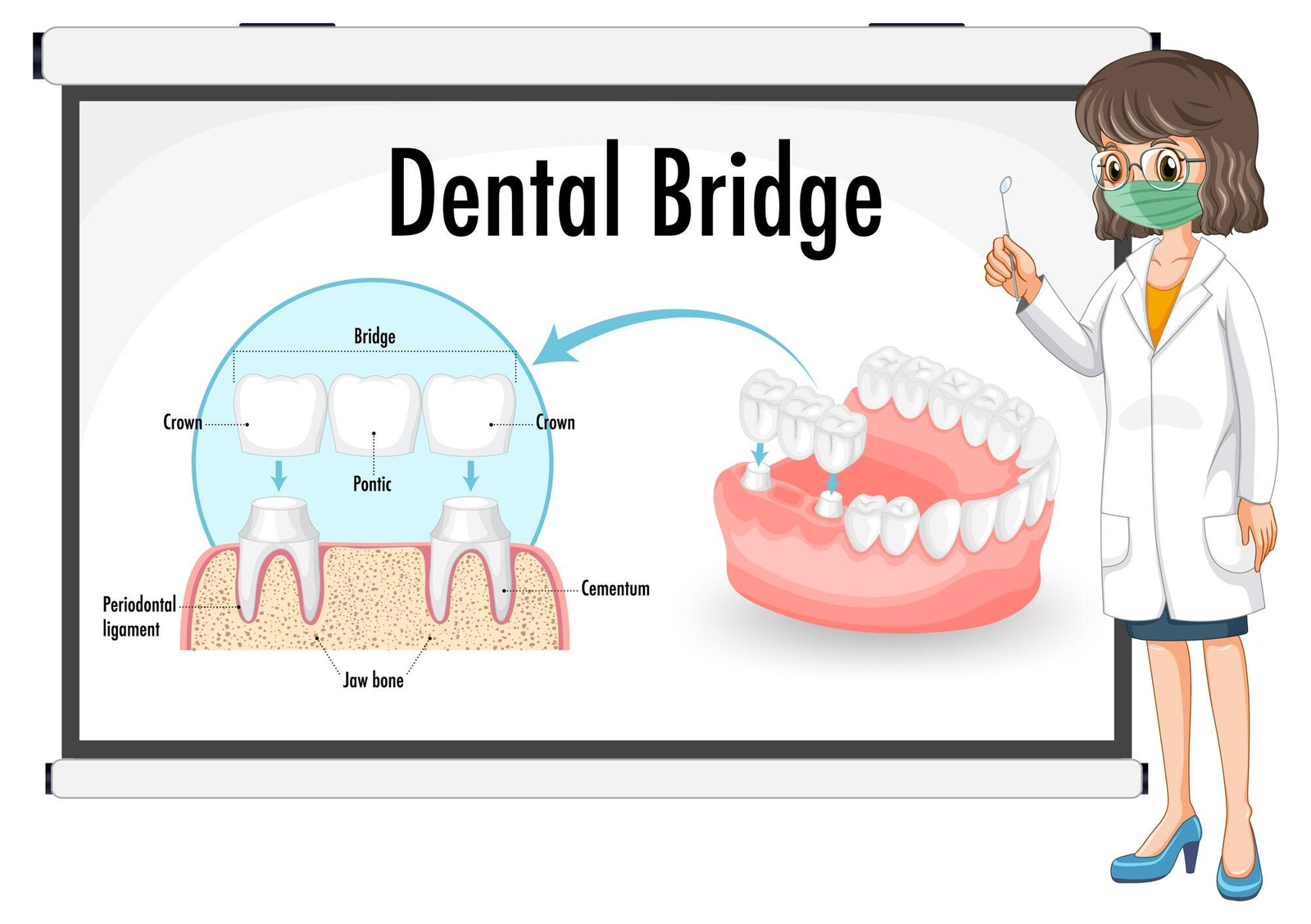
A tooth bridge, also known as a dental bridge, is a fixed dental restoration used to replace one or more missing teeth by anchoring to the adjacent natural teeth or dental implants. The bridge consists of one or more artificial teeth (pontics) that fill the gap and are held in place by crowns on the adjacent teeth (abutments).
Situations Warranting a Tooth Bridge
Tooth bridges are recommended in several situations, including:
- Missing Teeth: When one or more teeth are missing, a bridge can restore the function and appearance of your smile.
- Preventing Teeth Shifting: A bridge can prevent the remaining teeth from shifting out of position, which can lead to bite problems and other dental issues.
- Restoring Chewing and Speaking: Missing teeth can affect your ability to chew and speak properly. A bridge can restore these functions.
- Maintaining Facial Structure: Missing teeth can cause the facial structure to sag, leading to a prematurely aged appearance. A bridge can help maintain the natural shape of your face.
- Improving Aesthetics: A bridge can improve the appearance of your smile by filling in gaps caused by missing teeth.
Treatment Plans for Tooth Bridges
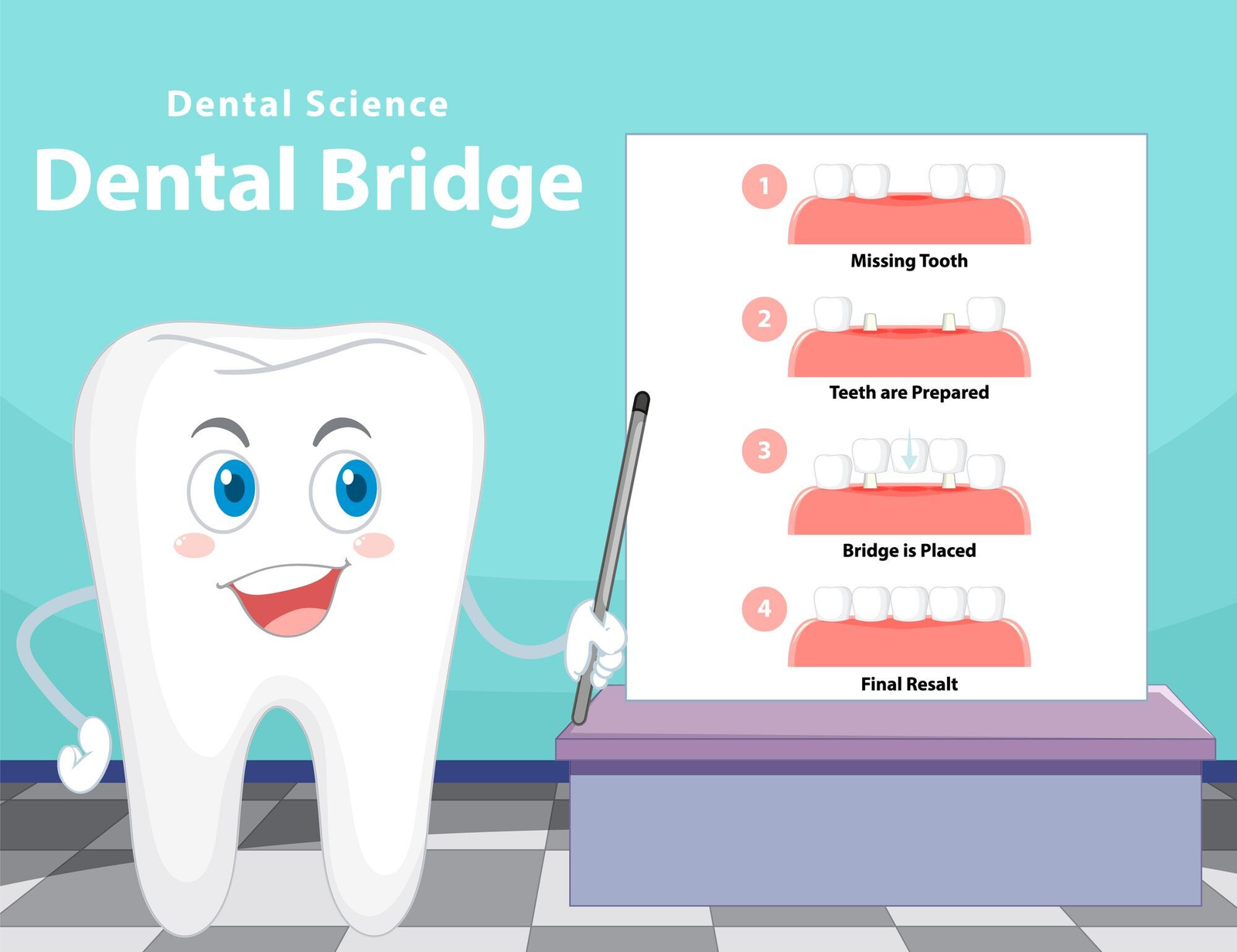
The process of getting a tooth bridge typically involves several steps:
- Initial Consultation: The dentist will examine your teeth, take X-rays, and discuss your treatment options. They will determine if a bridge is the appropriate solution for your needs.
- Tooth Preparation: The adjacent teeth (abutments) are prepared by removing a portion of the enamel to make room for the crowns that will hold the bridge in place.
- Impressions: Impressions of the prepared teeth are taken to create a model for the custom bridge. This ensures a precise fit.
- Temporary Bridge: A temporary bridge may be placed to protect the prepared teeth while the permanent bridge is being fabricated in the lab.
- Fabrication: The permanent bridge is custom-made in a dental lab based on the impressions. This process may take a few days to a couple of weeks.
- Fitting and Bonding: Once the permanent bridge is ready, you will return to the dentist for fitting. The dentist will check the fit and make any necessary adjustments before bonding the bridge to the abutment teeth with a strong dental adhesive.
- Follow-Up Visits: Regular follow-up visits may be scheduled to monitor the condition of the bridge and ensure it is functioning properly.
Advantages of Tooth Bridges
Tooth bridges offer several benefits, including:
- Restoration of Function: Bridges restore the ability to chew and speak properly, improving overall oral function.
- Aesthetic Improvement: Bridges enhance the appearance of your smile by filling in gaps caused by missing teeth.
- Preventing Teeth Shifting: Bridges prevent the remaining teeth from shifting out of position, which can lead to bite problems and other dental issues.
- Maintaining Facial Structure: Bridges help maintain the natural shape of your face, preventing a sagging appearance caused by missing teeth.
- Durability: Bridges are made from strong materials like porcelain or metal, making them durable and long-lasting.
Precautions to Take Post-Treatment
After getting a tooth bridge, it is essential to take certain precautions to ensure its longevity and maintain oral health:
- Oral Hygiene: Maintain good oral hygiene by brushing twice a day and flossing daily. Use a fluoride toothpaste to strengthen your teeth and prevent decay.
- Cleaning Under the Bridge: Use a floss threader or interdental brush to clean under the bridge and around the abutment teeth to prevent plaque buildup and gum disease.
- Avoid Hard Foods: Avoid chewing on hard foods like ice, nuts, and hard candies, as they can damage the bridge.
- Regular Dental Check-ups: Visit your dentist regularly for check-ups and cleanings to monitor the condition of the bridge and overall oral health.
- Address Sensitivity: Some patients may experience mild sensitivity to hot or cold foods and drinks after the procedure. This sensitivity usually subsides within a few days. If it persists, contact your dentist.
What to Know Before the Procedure
Before getting a tooth bridge, it is important to be well-informed about the procedure and what to expect:
- Types of Bridges: Discuss the different types of bridges available with your dentist. These include traditional bridges, cantilever bridges, Maryland bridges, and implant-supported bridges. Each type has its advantages and disadvantages, and the choice will depend on factors like the location of the missing teeth, your budget, and aesthetic preferences.
- Procedure Duration: The process of getting a tooth bridge typically involves two dental visits: one for tooth preparation and impressions, and another for fitting and bonding the bridge.
- Anesthesia: Local anesthesia is used to numb the area around the prepared teeth, ensuring a painless procedure. You may experience numbness for a few hours after the procedure.
- Post-Procedure Care: Follow your dentists instructions for post-procedure care, including any dietary restrictions and oral hygiene practices.
- Cost and Insurance: Inquire about the cost of a tooth bridge and whether your dental insurance covers the procedure. Many insurance plans cover bridges as part of restorative care.
Conclusion
Tooth bridges are a valuable solution for replacing missing teeth and restoring oral function and appearance. By understanding the treatment plans, advantages, precautions, and essential pre-procedure information, you can make informed decisions about your dental care. Regular dental visits and good oral hygiene practices are key to maintaining the health and longevity of your tooth bridge. Always consult with your dentist to determine the best course of action for your specific needs and ensure a successful outcome.