
Teeth Bonding
Other Treatments
What is Teeth Bonding?
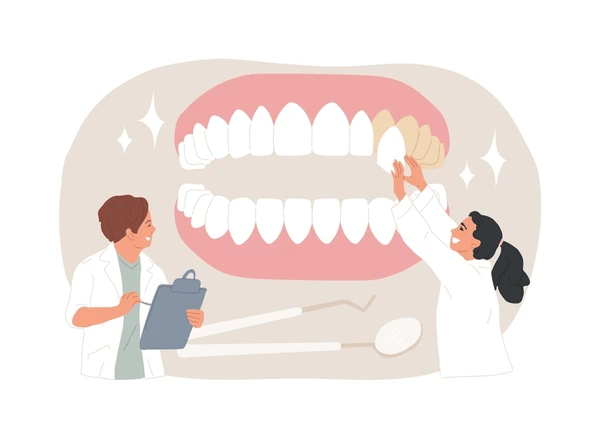
Teeth bonding, also known as dental bonding, involves the application of a tooth-colored resin material to the surface of the teeth. The resin is shaped and polished to match the surrounding teeth, creating a natural and aesthetically pleasing appearance. This procedure is minimally invasive and can be completed in a single dental visit.
Situations Warranting Teeth Bonding
Teeth bonding is recommended in several situations, including:
- Chipped or Cracked Teeth: Bonding can repair minor chips and cracks, restoring the tooths appearance and function.
- Discolored Teeth: Teeth that are discolored or stained can be covered with bonding material to improve their appearance.
- Gaps Between Teeth: Bonding can be used to close small gaps between teeth, creating a more uniform smile.
- Misshapen Teeth: Teeth that are irregularly shaped or too small can be reshaped with bonding material.
- Tooth Decay: Bonding can be used to fill cavities and restore decayed teeth.
- Worn Down Teeth: Teeth that have been worn down due to grinding or other factors can be built up with bonding material.
Treatment Plans for Teeth Bonding
The process of teeth bonding typically involves several steps:
- Initial Consultation: The dentist will examine your teeth and discuss your goals and expectations for the procedure. They will determine if bonding is the appropriate treatment for your needs.
- Tooth Preparation: The surface of the tooth is roughened, and a conditioning liquid is applied to help the bonding material adhere to the tooth.
- Application of Bonding Material: The tooth-colored resin is applied to the tooth and molded to the desired shape. The dentist will carefully sculpt the material to match the natural contours of your teeth.
- Curing: A special light is used to harden the bonding material, ensuring it adheres securely to the tooth.
- Polishing: Once the material is hardened, the dentist will polish the tooth to achieve a smooth and natural-looking finish.
Advantages of Teeth Bonding
Teeth bonding offers several benefits, including:
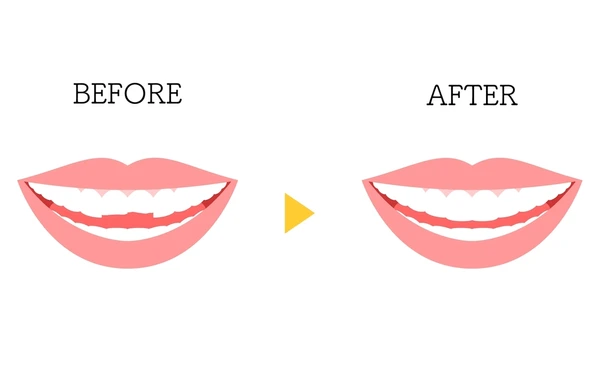
- Aesthetic Improvement: Bonding can significantly enhance the appearance of your teeth, creating a more attractive and confident smile.
- Minimally Invasive: The procedure is minimally invasive and typically does not require anesthesia, making it a comfortable option for most patients.
- Quick and Convenient: Teeth bonding can be completed in a single dental visit, providing immediate results.
- Cost-Effective: Bonding is generally more affordable than other cosmetic dental procedures, such as veneers or crowns.
- Versatile: Bonding can address a variety of dental issues, from minor cosmetic imperfections to more significant structural problems.
Precautions to Take Post-Treatment
After undergoing teeth bonding, it is essential to take certain precautions to ensure the longevity of the bonding material and maintain oral health:
- Oral Hygiene: Maintain good oral hygiene by brushing twice a day and flossing daily. Use a fluoride toothpaste to strengthen your teeth and prevent decay.
- Avoid Staining Foods and Drinks: Limit the consumption of foods and drinks that can stain the bonding material, such as coffee, tea, red wine, and tobacco.
- Avoid Hard Foods: Avoid chewing on hard foods like ice, nuts, and hard candies, as they can chip or damage the bonding material.
- Regular Dental Check-ups: Visit your dentist regularly for check-ups and cleanings to monitor the condition of the bonding material and overall oral health.
- Address Sensitivity: Some patients may experience mild sensitivity after the procedure. This usually subsides within a few days. If it persists, contact your dentist.
What to Know Before the Procedure
Before undergoing teeth bonding, it is important to be well-informed about the procedure and what to expect:
- Suitability: Discuss with your dentist whether teeth bonding is suitable for your dental needs. Bonding is most effective for minor cosmetic and structural issues.
- Procedure Duration: The bonding procedure typically takes about 30 to 60 minutes per tooth, depending on the complexity of the case.
- Anesthesia: Anesthesia is usually not required for bonding, but it may be used if the bonding is being applied to a decayed tooth or if the tooth needs to be drilled.
- Longevity: Bonding material can last several years with proper care, but it may need to be touched up or replaced over time.
- Cost and Insurance: Inquire about the cost of teeth bonding and whether your dental insurance covers the procedure. Many insurance plans cover bonding for restorative purposes.
Conclusion
Teeth bonding is a versatile and effective solution for improving the appearance and function of your teeth. By understanding the treatment plans, advantages, precautions, and essential pre-procedure information, you can make informed decisions about your dental care. Regular dental visits and good oral hygiene practices are key to maintaining the health and longevity of your bonded teeth. Always consult with your dentist to determine the best course of action for your specific needs and ensure a successful outcome.