
Oral Cancer Screening
Other Treatments
What is Oral Cancer Screening?
Oral cancer screening is a procedure performed by a dentist or doctor to look for signs of cancer or precancerous conditions in your mouth. The goal is to identify oral cancer early when there is a greater chance for a cure. Oral cancer can occur on the lips, tongue, cheeks, floor of the mouth, hard and soft palate, sinuses, and throat.
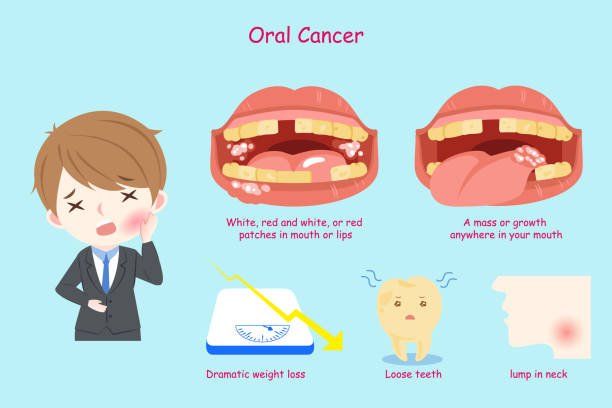
Situations Warranting Oral Cancer Screening
Oral cancer screening is recommended in several situations, including:
- High-Risk Individuals: People who use tobacco (smoking and smokeless) or consume alcohol excessively are at a higher risk of developing oral cancer and should undergo regular screenings.
- Age Factor: Individuals over the age of 40 are at an increased risk and should consider regular screenings.
- History of Oral Cancer: Those with a history of oral cancer or other types of cancer should have regular screenings to monitor for recurrence.
- HPV Infection: Human papillomavirus (HPV) infection is a risk factor for oropharyngeal cancers, and individuals with HPV should consider regular screenings.
- Visible Lesions or Symptoms: Anyone with visible lesions, sores, or symptoms such as persistent mouth pain, difficulty swallowing, or a lump in the neck should seek an oral cancer screening.
Treatment Plans for Oral Cancer Screening
The process of oral cancer screening typically involves several steps:
- Visual Examination: The dentist will visually inspect your mouth, lips, and face for any signs of abnormalities, such as sores, red or white patches, or lumps.
- Physical Examination: The dentist will feel the tissues in your mouth, neck, and throat to check for lumps or other abnormalities.
- Special Tests: In some cases, special tests may be used to identify abnormal cells. These tests can include:
- Toluidine Blue Stain: A dye that highlights abnormal cells.
- Fluorescence Staining: A light that makes abnormal tissues appear different from healthy tissues.
- Exfoliative Cytology: A brush is used to collect cells from a suspicious area for examination under a microscope.
- Biopsy: If any suspicious areas are found, a biopsy may be performed to remove a small sample of tissue for further analysis.
Advantages of Oral Cancer Screening
Oral cancer screening offers several benefits, including:
- Early Detection: Screening helps detect oral cancer at an early stage when treatment is more likely to be successful.
- Increased Survival Rates: Early detection and treatment can significantly improve survival rates for oral cancer patients.
- Prevention: Identifying precancerous conditions can lead to preventive measures that stop the progression to cancer.
- Peace of Mind: Regular screenings provide peace of mind by ensuring that any potential issues are identified and addressed promptly.
- Comprehensive Oral Health: Screening is often part of a comprehensive oral health check-up, contributing to overall oral health maintenance.
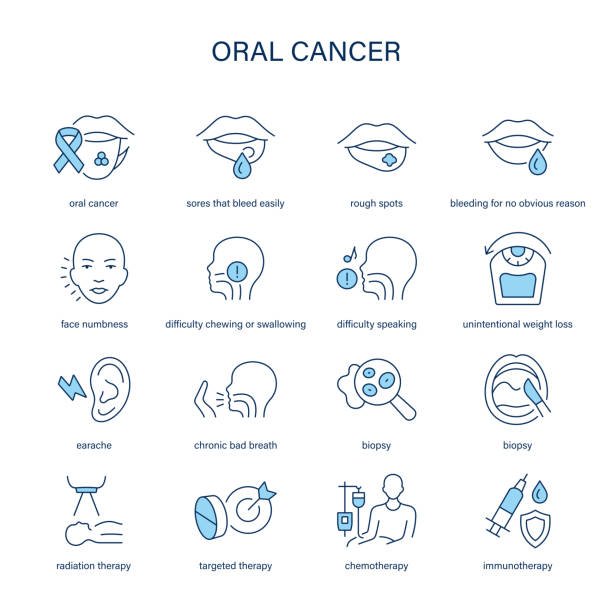
Precautions to Take Post-Screening
After undergoing oral cancer screening, it is essential to take certain precautions to maintain oral health and monitor for any changes:
- Follow-Up Appointments: Attend all follow-up appointments as recommended by your dentist or doctor to monitor any suspicious areas or changes in your oral health.
- Oral Hygiene: Maintain good oral hygiene by brushing twice a day, flossing daily, and using an antiseptic mouthwash to reduce the risk of infections and other oral health issues.
- Avoid Tobacco and Alcohol: Avoid using tobacco products and limit alcohol consumption, as these are significant risk factors for oral cancer.
- Healthy Diet: Eat a balanced diet rich in fruits and vegetables, which can help reduce the risk of oral cancer.
- Monitor Symptoms: Be vigilant about any changes in your mouth, such as sores, lumps, or persistent pain, and report them to your dentist or doctor immediately.
What to Know Before the Procedure
Before undergoing oral cancer screening, it is important to be well-informed about the procedure and what to expect:
- Procedure Duration: Oral cancer screening is a quick and non-invasive procedure that typically takes only a few minutes during a routine dental check-up.
- No Special Preparation: No special preparation is needed for oral cancer screening. You can eat and drink normally before the procedure.
- Painless: The screening process is painless and involves a visual and physical examination of your mouth and surrounding areas.
- Potential Follow-Up: If any suspicious areas are found, additional tests or a biopsy may be recommended. Be prepared for the possibility of follow-up procedures.
- Risk Factors: Understand your risk factors for oral cancer, such as tobacco use, alcohol consumption, HPV infection, and family history, and discuss them with your dentist.
Conclusion
Oral cancer screening is a vital preventive measure that can help detect early signs of oral cancer and improve the chances of successful treatment. By understanding the treatment plans, advantages, precautions, and essential pre-procedure information, you can make informed decisions about your oral health care. Regular dental visits and good oral hygiene practices are key to maintaining the health and longevity of your teeth and gums. Always consult with your dentist to determine the best course of action for your specific needs and ensure a successful outcome.