
Tooth Crowns
Other Treatments
What is a Tooth Crown?
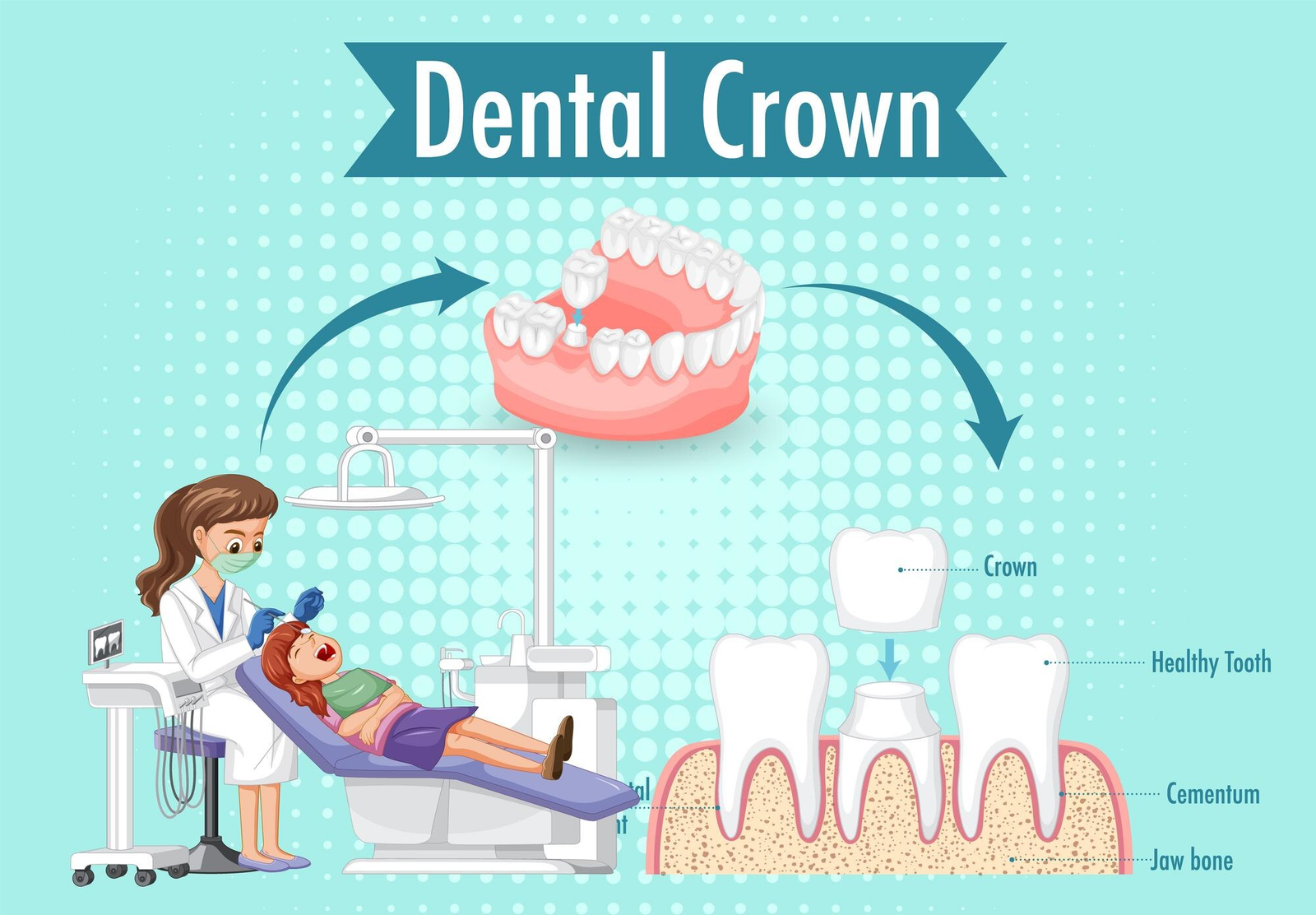
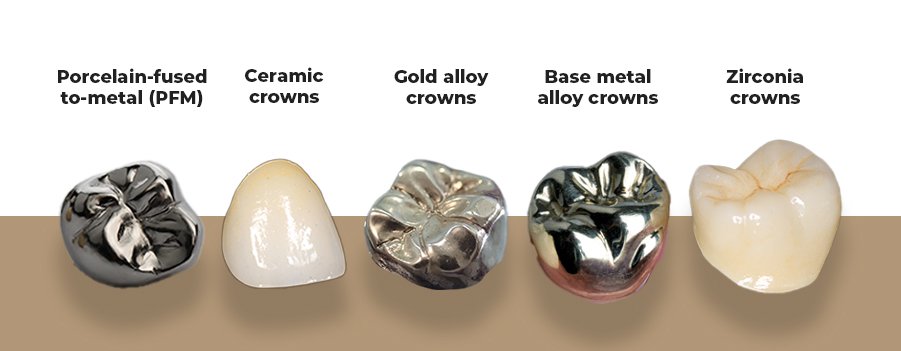
A tooth crown is a custom-made cap that fits over a tooth, covering it entirely. Crowns can be made from various materials, including porcelain, ceramic, metal, or a combination of materials. They are designed to mimic the natural appearance of teeth and provide durability and strength.
Situations Warranting a Tooth Crown
Tooth crowns are recommended in several situations, including:
- Severe Tooth Decay: When a tooth is extensively decayed and cannot be restored with a filling, a crown can provide the necessary protection and strength.
- Broken or Fractured Teeth: Crowns can restore the shape and function of a tooth that is broken or fractured.
- Root Canal Treatment: After a root canal, a crown is often placed to protect the treated tooth and prevent further damage.
- Large Fillings: When a tooth has a large filling that compromises its structure, a crown can help maintain its integrity.
- Cosmetic Reasons: Crowns can improve the appearance of discolored or misshapen teeth.
- Dental Implants: Crowns are used to cover dental implants, providing a natural-looking replacement for missing teeth
Treatment Plans for Tooth Crowns
The process of getting a tooth crown typically involves several steps:
- Initial Consultation: During the first visit, the dentist will examine your tooth and take X-rays to assess the extent of the damage. They will discuss the best treatment options and the type of crown suitable for your needs.
- Tooth Preparation: The dentist will prepare the tooth by removing any decay and shaping it to fit the crown. This may involve filing down the tooth or building it up if it is severely damaged.
- Impressions: Impressions of the prepared tooth and surrounding teeth are taken to create a custom crown that fits perfectly.
- Temporary Crown: A temporary crown is placed over the prepared tooth to protect it while the permanent crown is being made.
- Crown Placement: Once the permanent crown is ready, the dentist will remove the temporary crown and cement the permanent one in place. They will ensure the crown fits properly and make any necessary adjustments.
Advantages of Tooth Crowns
Tooth crowns offer several benefits, including:
- Durability: Crowns are made from strong materials that can withstand the forces of chewing and biting, making them a long-lasting solution.
- Aesthetics: Crowns can be made to match the color and shape of your natural teeth, providing a seamless and natural appearance.
- Protection: Crowns protect weakened or damaged teeth from further decay or injury.
- Functionality: Crowns restore the function of damaged teeth, allowing you to chew and speak properly.
- Comfort: Once placed, crowns feel like natural teeth and do not cause discomfort.
Precautions to Take Post-Crown
After getting a tooth crown, it is essential to take certain precautions to ensure its longevity and maintain oral health:
- Oral Hygiene: Maintain good oral hygiene by brushing twice a day and flossing daily. Use a fluoride toothpaste to strengthen your teeth and prevent decay.
- Avoid Hard Foods: Avoid chewing on hard foods like ice, nuts, and hard candies, as they can damage the crown.
- Regular Dental Check-ups: Visit your dentist regularly for check-ups and cleanings to monitor the condition of your crown and overall oral health.
- Address Issues Promptly: If you experience any discomfort, sensitivity, or damage to the crown, contact your dentist immediately for an evaluation.
What to Know Before the Procedure
Before getting a tooth crown, it is important to be well-informed about the procedure and what to expect:
- Material Options: Discuss the different materials available for crowns with your dentist. Each material has its advantages and disadvantages, and the choice will depend on factors like the location of the tooth, your budget, and aesthetic preferences.
- Procedure Duration: Understand that getting a crown typically requires two visits to the dentist. The first visit involves tooth preparation and impressions, while the second visit is for crown placement.
- Temporary Crown Care: If a temporary crown is placed, follow your dentists instructions for care. Temporary crowns are not as durable as permanent ones, so avoid sticky or hard foods that could dislodge it.
- Cost and Insurance: Inquire about the cost of the crown and whether your dental insurance covers the procedure. Some insurance plans may cover a portion of the cost, while others may not.
Conclusion
Tooth crowns are a versatile and effective solution for restoring damaged teeth and improving oral health. By understanding the treatment plans, advantages, precautions, and essential pre-procedure information, you can make informed decisions about your dental care. Always consult with your dentist to determine the best course of action for your specific needs and ensure a successful outcome.