
Dental Sealants
Other Treatments
What are Dental Sealants?
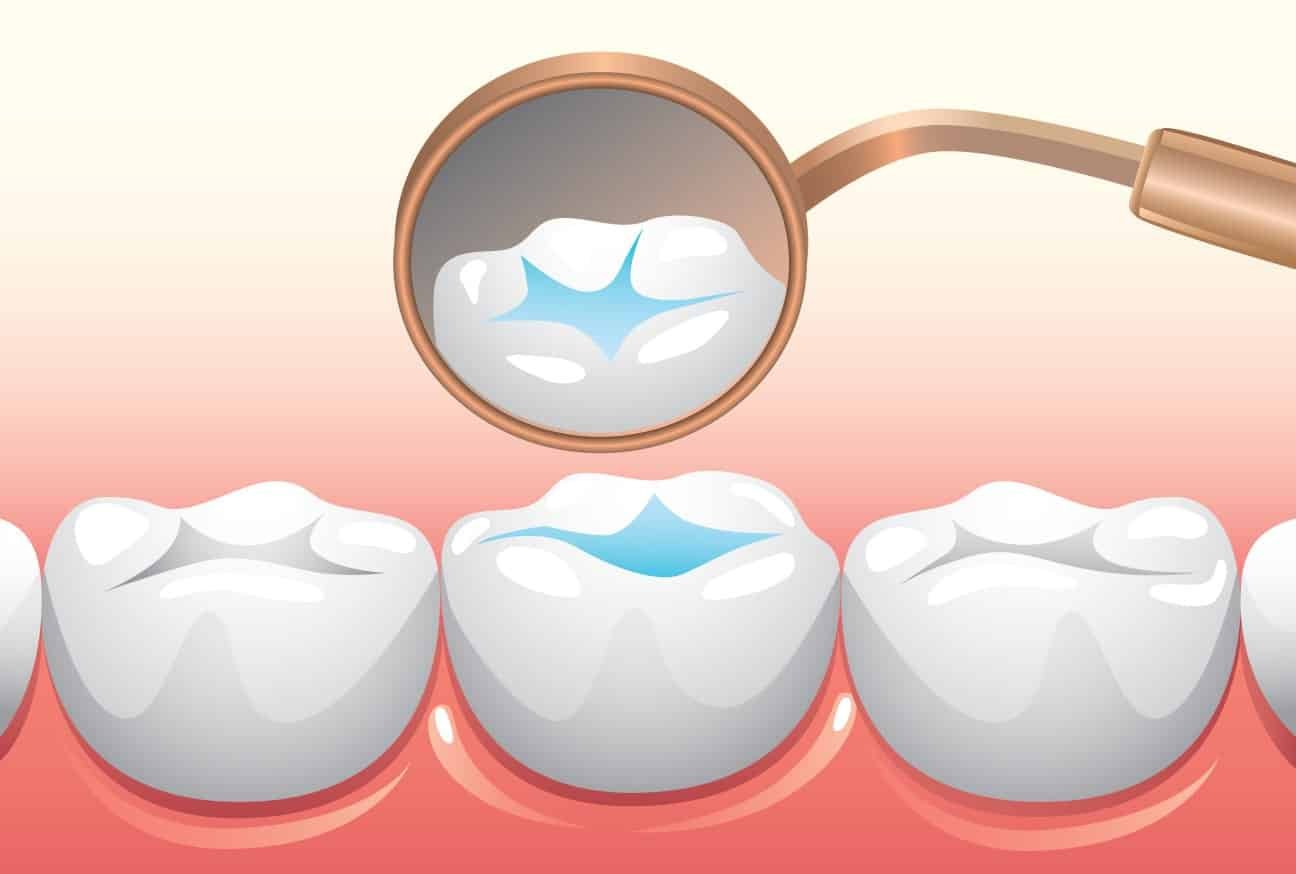
Dental sealants are thin, protective coatings applied to the chewing surfaces of the back teeth (molars and premolars) to prevent cavities. These teeth have grooves and pits that can trap food particles and bacteria, making them more susceptible to decay. Sealants create a smooth, protective barrier that keeps out plaque and food, reducing the risk of cavities.
Situations Warranting Dental Sealants
Dental sealants are recommended in several situations, including:
- Children and Adolescents: Sealants are most commonly applied to children and adolescents as soon as their permanent molars and premolars come in, typically around ages 6 and 12. This is because these teeth are more prone to cavities.
- Adults with No Decay or Fillings: Adults without decay or fillings in their molars can also benefit from sealants to protect their teeth from future decay.
- High Risk of Cavities: Individuals with a high risk of cavities, due to factors such as poor oral hygiene, a diet high in sugars and carbohydrates, or a history of cavities, may benefit from sealants.
- Deep Grooves and Pits: Teeth with deep grooves and pits that are difficult to clean effectively with brushing alone are good candidates for sealants.
Treatment Plans for Dental Sealants
The process of applying dental sealants typically involves several steps:
- Initial Examination: The dentist will examine your teeth to determine if sealants are appropriate for you. This may involve checking for existing decay or fillings.
- Cleaning the Teeth: The teeth to be sealed are thoroughly cleaned to remove any plaque and food particles.
- Drying the Teeth: The teeth are dried, and cotton or another absorbent material is placed around them to keep them dry during the procedure.
- Etching the Teeth: An acidic solution is applied to the chewing surfaces of the teeth to roughen them up, which helps the sealant bond to the teeth.
- Rinsing and Drying: The etching solution is rinsed off, and the teeth are dried again.
- Applying the Sealant: The sealant material is painted onto the chewing surfaces of the teeth. It flows into the grooves and pits, creating a protective barrier.
- Curing the Sealant: A special curing light is used to harden the sealant, ensuring it bonds securely to the teeth.
Advantages of Dental Sealants
Dental sealants offer several benefits, including:
- Prevention of Cavities: Sealants provide a protective barrier that prevents food particles and bacteria from getting trapped in the grooves and pits of the teeth, reducing the risk of cavities.
- Cost-Effective: Sealants are a cost-effective preventive measure compared to the cost of treating cavities and other dental issues.
- Quick and Painless: The application of sealants is a quick and painless procedure that can be completed in a single dental visit.
- Durability: Sealants can last several years with proper care, providing long-term protection against decay.
- Improved Oral Health: By preventing cavities, sealants contribute to overall improved oral health and reduce the need for more invasive dental treatments.
Precautions to Take Post-Treatment
After getting dental sealants, it is essential to take certain precautions to ensure their effectiveness and maintain oral health:
- Oral Hygiene: Maintain good oral hygiene by brushing twice a day and flossing daily. Sealants protect the chewing surfaces, but it is still important to clean all areas of the teeth and gums.
- Avoid Hard Foods: Avoid chewing on hard foods like ice, nuts, and hard candies, as they can damage the sealants.
- Regular Dental Check-ups: Visit your dentist regularly for check-ups and cleanings to monitor the condition of the sealants and overall oral health.
- Address Issues Promptly: If you notice any issues with the sealants, such as chipping or wearing away, contact your dentist for an evaluation and possible reapplication.
What to Know Before the Procedure
Before getting dental sealants, it is important to be well-informed about the procedure and what to expect:
- Suitability: Discuss with your dentist whether sealants are suitable for you or your child. Sealants are most effective on teeth that are free of decay and fillings.
- Procedure Duration: The application of sealants is a quick procedure that typically takes about 30 minutes to complete.
- Longevity: Sealants can last several years, but they may need to be reapplied if they become worn or damaged.
- Cost and Insurance: Inquire about the cost of sealants and whether your dental insurance covers the procedure. Many insurance plans cover sealants for children as part of preventive care.
- Maintenance: Understand the importance of maintaining good oral hygiene and regular dental visits to ensure the longevity and effectiveness of the sealants.
Conclusion
Dental sealants are a valuable preventive measure for protecting teeth from decay, especially in children and adolescents. By understanding the treatment plans, advantages, precautions, and essential pre-procedure information, you can make informed decisions about your dental care. Regular dental visits and good oral hygiene practices are key to maintaining the health and longevity of your teeth and sealants. Always consult with your dentist to determine the best course of action for your specific needs and ensure a successful outcome.