
Teeth Cleaning
Other Treatments
What is Teeth Cleaning?
Teeth cleaning is a preventive dental procedure performed by a dentist or dental hygienist to maintain oral health. It involves the removal of plaque (a sticky film of bacteria) and tartar (hardened plaque) from the teeth and gums. Regular teeth cleaning helps prevent dental issues and promotes overall oral hygiene.
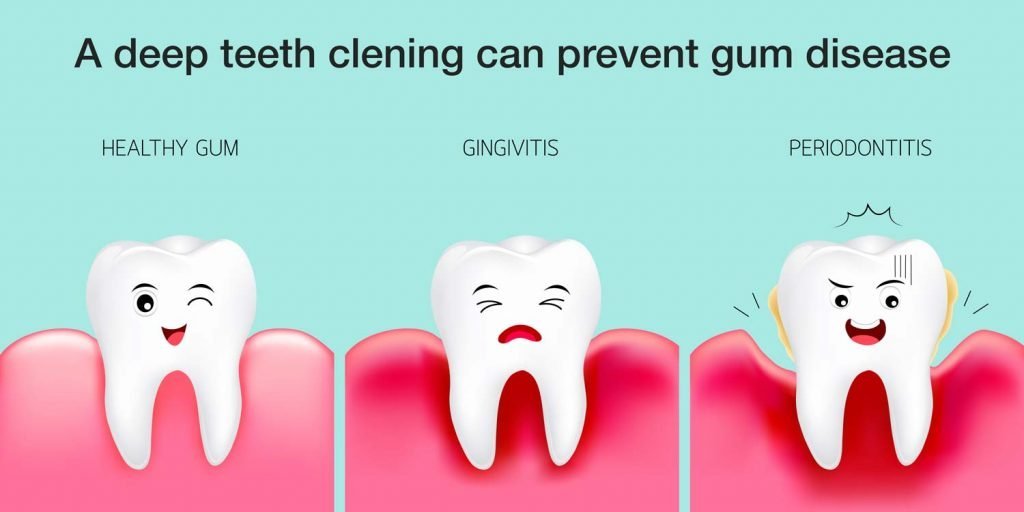
Situations Warranting Teeth Cleaning
Teeth cleaning is recommended in several situations, including:
- Routine Oral Hygiene: Regular teeth cleaning is essential for maintaining oral health and preventing dental problems.
- Gum Disease: Patients with gingivitis or periodontal disease require professional cleaning to manage and treat the condition.
- Plaque and Tartar Buildup: When plaque and tartar accumulate on the teeth, professional cleaning is necessary to remove them and prevent decay.
- Bad Breath: Persistent bad breath (halitosis) can be a sign of plaque buildup and gum disease, which can be addressed through teeth cleaning.
- Before Dental Procedures: Teeth cleaning is often performed before other dental procedures, such as fillings, crowns, or orthodontic treatments, to ensure a clean and healthy oral environment.
Treatment Plans for Teeth Cleaning
The process of teeth cleaning typically involves several steps:
- Initial Examination: The dentist or dental hygienist will examine your teeth and gums to assess your oral health and identify any areas of concern.
- Scaling: Using specialized tools, the dental professional will remove plaque and tartar from the surfaces of your teeth and along the gumline. This process is known as scaling.
- Polishing: After scaling, the teeth are polished to remove surface stains and make them smooth. Polishing helps prevent plaque buildup.
- Fluoride Treatment: In some cases, a fluoride treatment may be applied to strengthen the teeth and protect against cavities.
- Oral Hygiene Instructions: The dental professional will provide guidance on maintaining good oral hygiene at home, including brushing and flossing techniques.
Advantages of Teeth Cleaning
Teeth cleaning offers several benefits, including:
- Prevention of Dental Issues: Regular cleaning helps prevent cavities, gum disease, and other dental problems by removing plaque and tartar.
- Improved Oral Health: Professional cleaning promotes healthy teeth and gums, reducing the risk of tooth loss and other complications.
- Fresher Breath: Removing plaque and tartar helps eliminate bad breath and leaves your mouth feeling fresh.
- Aesthetic Benefits: Polishing the teeth removes surface stains, resulting in a brighter and more attractive smile.
- Early Detection of Problems: Regular dental visits allow for the early detection and treatment of dental issues, preventing them from becoming more severe.
Precautions to Take Post-Treatment
After teeth cleaning, it is essential to take certain precautions to maintain oral health and ensure the longevity of the treatment:
- Oral Hygiene: Continue to brush your teeth twice a day and floss daily to prevent plaque buildup. Use a fluoride toothpaste to strengthen your teeth.
- Avoid Staining Foods and Drinks: Limit the consumption of foods and beverages that can stain your teeth, such as coffee, tea, red wine, and tobacco.
- Stay Hydrated: Drink plenty of water to help wash away food particles and bacteria from your mouth.
- Regular Dental Check-ups: Schedule regular dental check-ups and cleanings to monitor your oral health and address any issues promptly.
- Address Sensitivity: If you experience sensitivity after the cleaning, use a toothpaste designed for sensitive teeth and avoid extremely hot or cold foods and drinks.
What to Know Before the Procedure
Before scheduling a teeth cleaning, consider the following:
- Procedure Duration: Teeth cleaning typically takes about 30 minutes to an hour, depending on the extent of plaque and tartar buildup.
- Discomfort: Some patients may experience mild discomfort or sensitivity during and after the cleaning, especially if there is significant plaque buildup or gum disease.
- Frequency: Most dentists recommend professional teeth cleaning every six months, but the frequency may vary based on individual oral health needs.
- Cost and Insurance: Inquire about the cost of the cleaning and whether your dental insurance covers the procedure. Many insurance plans cover routine cleanings as part of preventive care.
- Medical History: Inform your dentist of any medical conditions or medications you are taking, as they may affect your oral health and the cleaning procedure.
Conclusion
Teeth cleaning is a vital component of maintaining good oral hygiene and preventing dental issues. By understanding the treatment plans, advantages, precautions, and essential pre-procedure information, you can make informed decisions about your dental care. Regular teeth cleaning, combined with good oral hygiene practices at home, can help you achieve and maintain a healthy, beautiful smile. Always consult with your dentist to determine the best course of action for your specific needs and ensure a successful outcome.