
Tooth Fillings
Other Treatments
What is a Tooth Filling?
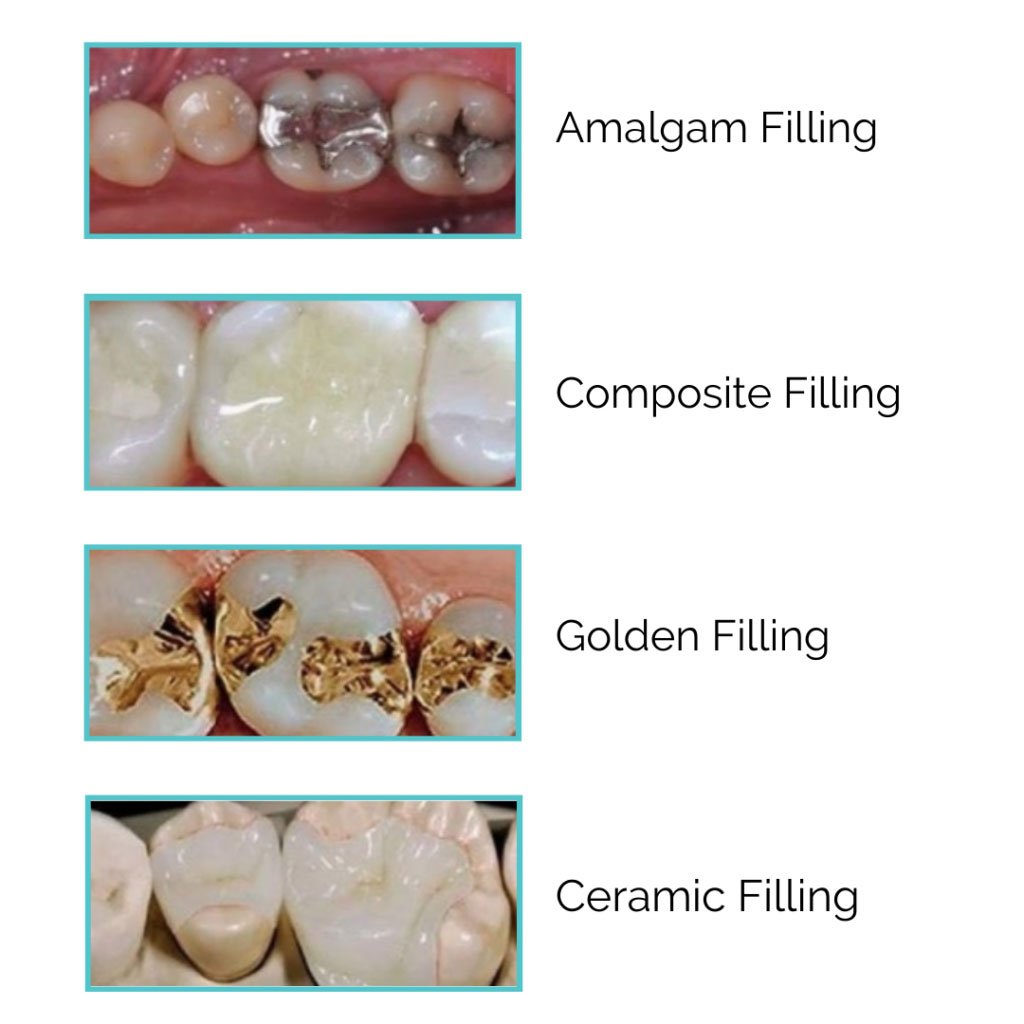
A tooth filling is a dental restoration used to repair a tooth that has been damaged by decay, wear, or minor fractures. The filling material is used to fill the cavity or damaged area, restoring the tooths shape, function, and appearance. Common materials used for fillings include amalgam, composite resin, gold, and porcelain.
Situations Warranting a Tooth Filling
Tooth fillings are recommended in several situations, including:
- Cavities: When a tooth has a cavity caused by decay, a filling is used to restore the tooth and prevent further damage.
- Cracked or Broken Teeth: Fillings can repair minor cracks or fractures in teeth, restoring their strength and function.
- Worn Teeth: Teeth that have been worn down by grinding (bruxism) or other factors can be restored with fillings.
- Minor Tooth Damage: Fillings can repair small areas of damage caused by trauma or other factors.
Treatment Plans for Tooth Fillings
The process of getting a tooth filling typically involves several steps:
- Initial Examination: The dentist will examine your tooth and take X-rays to assess the extent of the damage and determine the best treatment plan.
- Anesthesia: Local anesthesia is administered to numb the area around the affected tooth, ensuring a painless procedure.
- Decay Removal: The dentist will remove the decayed or damaged portion of the tooth using a dental drill or laser.
- Tooth Preparation: The cavity is cleaned and prepared for the filling material.
- Filling Placement: The chosen filling material is placed into the cavity and shaped to match the natural contours of the tooth.
- Hardening: Depending on the material used, the filling may be hardened using a special light (for composite resin) or allowed to set naturally (for amalgam).
- Polishing: The filling is polished to ensure a smooth surface and proper bite alignment.
Advantages of Tooth Fillings
Tooth fillings offer several benefits, including:
- Restoration of Function: Fillings restore the function of damaged teeth, allowing you to chew and speak properly.
- Prevention of Further Decay: By filling cavities, fillings prevent further decay and damage to the tooth.
- Aesthetic Improvement: Tooth-colored fillings, such as composite resin and porcelain, blend seamlessly with natural teeth, improving the appearance of your smile.
- Durability: Fillings made from durable materials, such as amalgam and gold, can last for many years with proper care.
- Cost-Effective: Fillings are a cost-effective solution for repairing damaged teeth and preventing more extensive dental work.
Precautions to Take Post-Treatment
After getting a tooth filling, it is essential to take certain precautions to ensure its longevity and maintain oral health:
- Oral Hygiene: Maintain good oral hygiene by brushing twice a day and flossing daily. Use a fluoride toothpaste to strengthen your teeth and prevent decay.
- Avoid Hard Foods: Avoid chewing on hard foods like ice, nuts, and hard candies, as they can damage the filling.
- Address Sensitivity: Some patients may experience sensitivity to hot or cold foods and drinks after getting a filling. This sensitivity usually subsides within a few days. If it persists, contact your dentist.
- Regular Dental Check-ups: Visit your dentist regularly for check-ups and cleanings to monitor the condition of your fillings and overall oral health.
- Avoid Sticky Foods: Sticky foods can dislodge or damage fillings, so it is best to avoid them.
What to Know Before the Procedure
What to Know Before the Procedure
Before getting a tooth filling, it is important to be well-informed about the procedure and what to expect:
- Material Options: Discuss the different materials available for fillings with your dentist. Each material has its advantages and disadvantages, and the choice will depend on factors like the location of the tooth, your budget, and aesthetic preferences.
- Procedure Duration: The filling procedure typically takes about 30 minutes to an hour, depending on the extent of the decay and the type of filling material used.
- Anesthesia: Local anesthesia is used to numb the area around the affected tooth, ensuring a painless procedure. You may experience numbness for a few hours after the procedure.
- Post-Procedure Care: Follow your dentists instructions for post-procedure care, including any dietary restrictions and oral hygiene practices.
- Cost and Insurance: Inquire about the cost of the filling and whether your dental insurance covers the procedure. Many insurance plans cover fillings as part of preventive and restorative care.
Conclusion
Tooth fillings are a versatile and effective solution for restoring damaged teeth and improving oral health. By understanding the treatment plans, advantages, precautions, and essential pre-procedure information, you can make informed decisions about your dental care. Always consult with your dentist to determine the best course of action for your specific needs and ensure a successful outcome. Regular dental visits and good oral hygiene practices are key to maintaining the health and longevity of your fillings and overall oral health.