
Scaling and Root Planing
Other Treatments
What is Scaling and Root Planing?
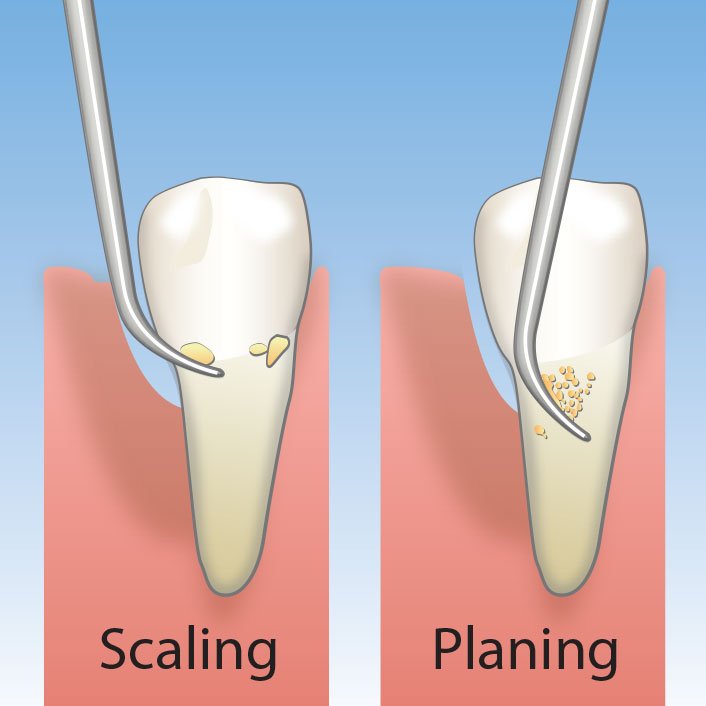
Scaling and root planing is a non-surgical procedure that involves cleaning the surfaces of the teeth and their roots to remove plaque, tartar, and bacteria. This treatment helps to reduce inflammation and promote healing of the gums, preventing the progression of periodontal disease.
Situations Warranting Scaling and Root Planing
Scaling and root planing is recommended in several situations, including:
- Gingivitis: When the gums are inflamed and bleed easily due to plaque buildup, scaling and root planing can help to remove the irritants and promote healing.
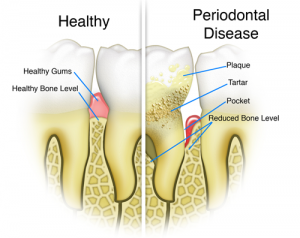
- Periodontitis: In cases of advanced gum disease, where the gums have pulled away from the teeth and formed pockets, scaling and root planing is necessary to clean these pockets and prevent further damage.
- Persistent Bad Breath: Chronic bad breath (halitosis) can be a sign of gum disease, which can be addressed through scaling and root planing.
- Bone Loss: When gum disease has led to bone loss around the teeth, scaling and root planing can help to stabilize the condition and prevent further deterioration.
- Before Surgical Procedures: Scaling and root planing may be performed before periodontal surgery to reduce inflammation and improve the overall health of the gums.
Treatment Plans for Scaling and Root Planing
The process of scaling and root planing typically involves several steps:
- Initial Examination: The dentist or periodontist will examine your teeth and gums, take X-rays, and measure the depth of the pockets around your teeth to assess the severity of the gum disease.
- Anesthesia: Local anesthesia is administered to numb the area around the affected teeth, ensuring a painless procedure.
- Scaling: Using specialized tools, the dental professional will remove plaque and tartar from the surfaces of your teeth and below the gumline. This process is known as scaling.
- Root Planing: The roots of the teeth are smoothed to remove any rough spots where bacteria can accumulate. This process helps the gums to reattach to the teeth and promotes healing.
- Antibiotic Treatment: In some cases, an antibiotic gel or mouth rinse may be applied to the gums to help control infection and promote healing.
- Follow-Up Visits: After the initial treatment, follow-up visits are scheduled to monitor the healing process and ensure that the gums are responding well to the treatment.
Advantages of Scaling and Root Planing
Scaling and root planing offers several benefits, including:
- Prevention of Disease Progression: By removing plaque and tartar, scaling and root planing helps to prevent the progression of gum disease and reduce the risk of tooth loss.
- Improved Oral Health: The procedure promotes healthier gums and reduces inflammation, leading to improved overall oral health.
- Fresher Breath: Removing bacteria and plaque from the gums helps to eliminate bad breath and leaves your mouth feeling fresh.
- Aesthetic Benefits: Healthier gums and cleaner teeth contribute to a more attractive smile.
- Reduced Risk of Systemic Health Issues: Treating gum disease can reduce the risk of systemic health issues, such as heart disease and diabetes, which have been linked to periodontal disease.
Precautions to Take Post-Treatment
After scaling and root planing, it is essential to take certain precautions to ensure proper healing and maintain oral health:
- Oral Hygiene: Maintain good oral hygiene by brushing twice a day and flossing daily. Use a soft-bristled toothbrush and a fluoride toothpaste to prevent irritation and strengthen your teeth.
- Avoid Irritants: Avoid smoking and using tobacco products, as they can delay healing and worsen gum disease.
- Dietary Considerations: Stick to a soft diet for a few days after the procedure to avoid irritating the gums. Avoid hot, spicy, and acidic foods that can cause discomfort.
- Follow-Up Appointments: Attend all follow-up appointments with your dentist or periodontist to monitor the healing process and ensure that the treatment is effective.
- Address Sensitivity: Some patients may experience sensitivity to hot or cold foods and drinks after the procedure. Use a toothpaste designed for sensitive teeth and avoid extreme temperatures.
What to Know Before the Procedure
Before undergoing scaling and root planing, it is important to be well-informed about the procedure and what to expect:
- Procedure Duration: Scaling and root planing is typically performed over one or more visits, depending on the extent of the gum disease and the number of teeth involved. Each session may take about 1 to 2 hours.
- Discomfort: Local anesthesia is used to numb the area, so you should not feel pain during the procedure. However, you may experience some discomfort or sensitivity afterward.
- Healing Time: The gums may take a few days to a few weeks to heal completely. During this time, it is important to follow your dentists instructions for care.
- Cost and Insurance: Inquire about the cost of the procedure and whether your dental insurance covers scaling and root planing. Many insurance plans cover this treatment as part of periodontal care.
- Medical History: Inform your dentist of any medical conditions or medications you are taking, as they may affect your oral health and the treatment process.
Conclusion
Scaling and root planing is a vital procedure for treating gum disease and maintaining oral health. By understanding the treatment plans, advantages, precautions, and essential pre-procedure information, you can make informed decisions about your dental care. Regular dental visits and good oral hygiene practices are key to preventing gum disease and ensuring the health and longevity of your teeth and gums. Always consult with your dentist or periodontist to determine the best course of action for your specific needs and ensure a successful outcome.