
Painless Root Canal Treatment in Kharghar by Expert Dentist
What is Root Canal Treatment?
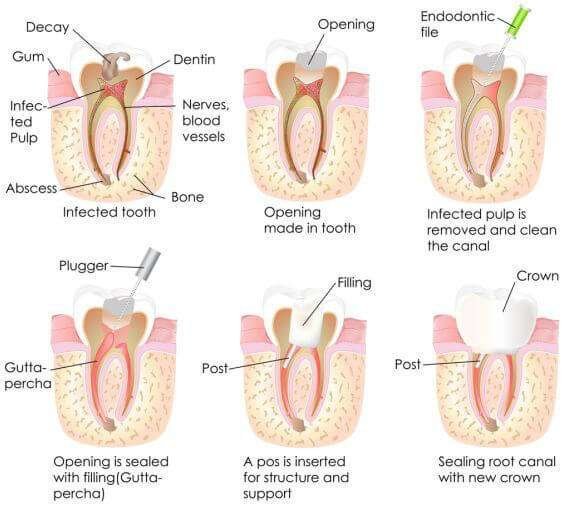
A root canal is a dental procedure that involves removing the infected or damaged pulp from the inside of a tooth, cleaning and disinfecting the area, and then filling and sealing it. The pulp is the soft tissue inside the tooth that contains nerves, blood vessels, and connective tissue. When the pulp becomes infected or damaged, it can cause severe pain and lead to abscesses or tooth loss if not treated.
Situations Warranting Root Canal Treatment
Root canal treatment is recommended in several situations, including:
- Severe Tooth Decay: When a cavity extends deep into the tooth and reaches the pulp, causing infection or inflammation.
- Cracked or Broken Teeth: Teeth that are cracked or broken can expose the pulp to bacteria, leading to infection.
- Trauma: Injury to a tooth, such as a blow to the mouth, can damage the pulp even if there are no visible cracks or chips.
- Repeated Dental Procedures: Multiple dental procedures on the same tooth can cause irritation and damage to the pulp.
- Abscess: An abscess is a pocket of pus that forms at the end of the tooths root due to infection. Root canal treatment is necessary to remove the infection and prevent further complications.
Treatment Plans for Root Canal Therapy
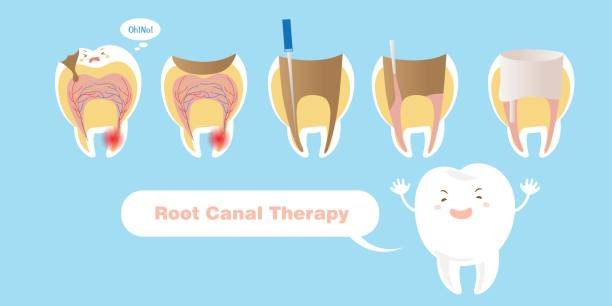
The process of root canal treatment typically involves several steps:
- Initial Examination: The dentist will examine your tooth and take X-rays to assess the extent of the damage and determine the best treatment plan.
- Anesthesia: Local anesthesia is administered to numb the area around the affected tooth, ensuring a painless procedure.
- Access Opening: The dentist will create an opening in the crown of the tooth to access the pulp chamber and root canals.
- Pulp Removal: The infected or damaged pulp is removed using specialized instruments.
- Cleaning and Disinfection: The inside of the tooth is cleaned and disinfected to remove any remaining bacteria and debris.
- Filling and Sealing: The cleaned root canals are filled with a biocompatible material called gutta-percha and sealed with a temporary or permanent filling.
- Restoration: In most cases, a crown is placed over the treated tooth to restore its function and appearance. This may require a separate appointment.
Advantages of Root Canal Treatment
Root canal treatment offers several benefits, including:
- Pain Relief: Removing the infected or damaged pulp alleviates the pain and discomfort associated with tooth infection.
- Preservation of Natural Tooth: Root canal treatment allows you to keep your natural tooth, avoiding the need for extraction and replacement.
- Prevention of Infection Spread: Treating the infection prevents it from spreading to other teeth and surrounding tissues.
- Restoration of Function: The treated tooth can function normally after the procedure, allowing you to chew and speak properly.
- Aesthetic Improvement: Placing a crown over the treated tooth restores its appearance and blends seamlessly with your natural teeth.
Precautions to Take Post-Treatment
After root canal treatment, it is essential to take certain precautions to ensure proper healing and maintain oral health:
- Oral Hygiene: Maintain good oral hygiene by brushing twice a day and flossing daily. Use a fluoride toothpaste to strengthen your teeth and prevent decay.
- Avoid Hard Foods: Avoid chewing on hard foods like ice, nuts, and hard candies, as they can damage the treated tooth or temporary filling.
- Follow-Up Appointments: Attend all follow-up appointments with your dentist to monitor the healing process and ensure that the treatment is effective.
- Address Sensitivity: Some patients may experience sensitivity to hot or cold foods and drinks after the procedure. Use a toothpaste designed for sensitive teeth and avoid extreme temperatures.
- Avoid Smoking: Smoking can delay healing and increase the risk of complications, so it is best to avoid tobacco products.
What to Know Before the Procedure
Before undergoing root canal treatment, it is important to be well-informed about the procedure and what to expect:
- Procedure Duration: Root canal treatment typically takes one to two visits to complete, depending on the complexity of the case and the number of canals in the tooth.
- Discomfort: Local anesthesia is used to numb the area, so you should not feel pain during the procedure. However, you may experience some discomfort or sensitivity afterward.
- Healing Time: The treated tooth may take a few days to a few weeks to heal completely. During this time, it is important to follow your dentists instructions for care.
- Cost and Insurance: Inquire about the cost of the procedure and whether your dental insurance covers root canal treatment. Many insurance plans cover this treatment as part of restorative care.
- Medical History: Inform your dentist of any medical conditions or medications you are taking, as they may affect your oral health and the treatment process.
Conclusion
Root canal treatment is a vital procedure for treating tooth infections and preserving natural teeth. By understanding the treatment plans, advantages, precautions, and essential pre-procedure information, you can make informed decisions about your dental care. Regular dental visits and good oral hygiene practices are key to preventing tooth infections and ensuring the health and longevity of your teeth. Always consult with your dentist to determine the best course of action for your specific needs and ensure a successful outcome.