
Mouth Guards
Other Treatments
What is a Mouth Guard?
A mouth guard is a protective device that covers the teeth and gums to prevent and reduce injury to the teeth, arches, lips, and gums. They are typically made from durable materials like plastic or acrylic and are custom-fitted to ensure maximum protection and comfort.
Situations Warranting a Mouth Guard
Mouth guards are recommended in several situations, including:
- Sports Activities: Athletes participating in contact sports such as football, hockey, boxing, and basketball are at a higher risk of dental injuries and should wear mouth guards.
- Teeth Grinding (Bruxism): Individuals who grind or clench their teeth during sleep can benefit from a night guard to protect their teeth from wear and damage.
- Snoring and Sleep Apnea: Specially designed mouth guards can help reduce snoring and manage mild to moderate obstructive sleep apnea by keeping the airway open.
- Orthodontic Protection: Patients with braces or other orthodontic appliances may need mouth guards to protect their teeth and gums during sports or other activities.
- Temporomandibular Joint (TMJ) Disorders: Mouth guards can help alleviate pain and discomfort associated with TMJ disorders by reducing pressure on the jaw.
Treatment Plans for Mouth Guards
The process of getting a mouth guard typically involves several steps:
- Initial Consultation: The dentist will examine your teeth and discuss your needs to determine the most appropriate type of mouth guard for you.
- Impressions and Measurements: Impressions of your teeth and measurements of your jaw are taken to create a custom-fitted mouth guard. This ensures a proper fit and maximum protection.
- Fabrication: The mouth guard is fabricated in a dental lab based on the impressions and measurements. This process may take a few days to a couple of weeks.
- Fitting and Adjustments: Once the mouth guard is ready, you will return to the dentist for a fitting. The dentist will check the fit and make any necessary adjustments to ensure comfort and effectiveness.
- Follow-Up Visits: Regular follow-up visits may be scheduled to monitor the condition of the mouth guard and make adjustments as needed.
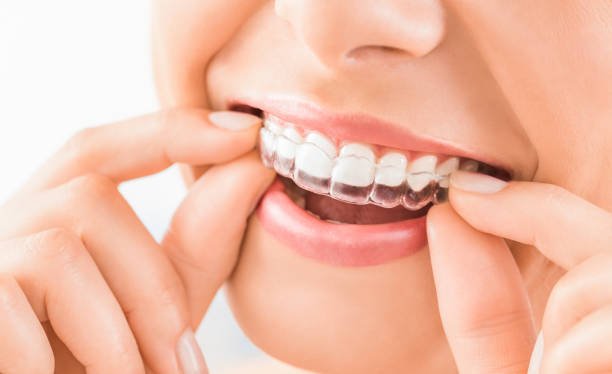
Advantages of Mouthguards
Mouth guards offer several benefits, including:
- Protection from Injury: Mouth guards provide a protective barrier that reduces the risk of dental injuries, such as broken or knocked-out teeth, during sports and other activities.
- Prevention of Teeth Grinding Damage: Night guards protect the teeth from the wear and damage caused by grinding and clenching during sleep.
- Improved Sleep Quality: Mouth guards designed for snoring and sleep apnea can help improve sleep quality by keeping the airway open and reducing interruptions in breathing.
- Alleviation of TMJ Pain: Mouth guards can help reduce pain and discomfort associated with TMJ disorders by minimizing pressure on the jaw.
- Custom Fit: Custom-fitted mouth guards provide maximum protection and comfort compared to over-the-counter options.
Precautions to Take Post-Treatment
After getting a mouth guard, it is essential to take certain precautions to ensure its longevity and maintain oral health:
- Proper Cleaning: Clean your mouth guard regularly with a toothbrush and mild soap or a denture cleaner. Avoid using hot water, as it can warp the material.
- Storage: Store your mouth guard in a sturdy, ventilated container when not in use to prevent damage and allow it to dry.
- Avoid Chewing: Avoid chewing on your mouth guard, as this can damage the material and reduce its effectiveness.
- Regular Check-Ups: Visit your dentist regularly to check the condition of your mouth guard and ensure it still fits properly. Replace it as needed.
- Monitor for Wear and Tear: Inspect your mouth guard regularly for signs of wear and tear. If you notice any damage, contact your dentist for a replacement.
What to Know Before the Procedure
Before getting a mouth guard, it is important to be well-informed about the procedure and what to expect:
- Types of Mouthguards: Understand the different types of mouthguards available, including custom-fitted, boil-and-bite, and stock mouth guards. Custom-fitted mouth guards offer the best protection and comfort.
- Procedure Duration: The process of getting a custom-fitted mouth guard typically involves two dental visits: one for impressions and measurements, and another for fitting and adjustments.
- Cost and Insurance: Inquire about the cost of the mouth guard and whether your dental insurance covers it. Custom-fitted mouth guards are more expensive than over-the-counter options but offer better protection and comfort.
- Maintenance: Understand the importance of regular cleaning and maintenance to ensure the longevity and effectiveness of your mouth guard.
- Potential Discomfort: Be aware that it may take some time to get used to wearing a mouth guard, especially at night. Any initial discomfort should subside as you adjust.
Conclusion
Mouth guards are a valuable tool for protecting teeth and gums from injury, preventing damage from teeth grinding, and improving sleep quality. By understanding the treatment plans, advantages, precautions, and essential pre-procedure information, you can make informed decisions about your dental care. Regular dental visits and good oral hygiene practices are key to maintaining the health and longevity of your mouth guard. Always consult with your dentist to determine the best course of action for your specific needs and ensure a successful outcome.