
Inlays and Onlays
Other Treatments
What are Inlays and Onlays?
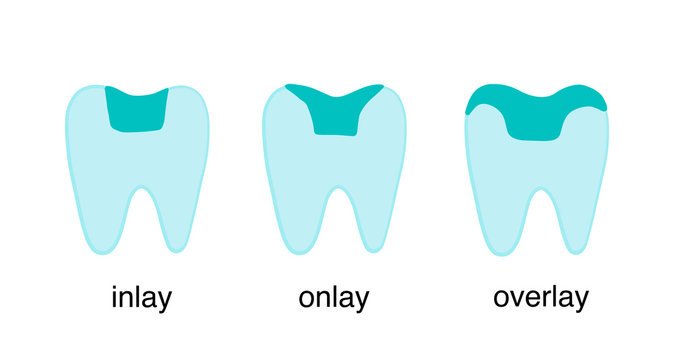
Inlays and onlays are custom-made restorations fabricated in a dental lab and bonded to the tooth. They are typically made from porcelain, composite resin, or gold. The primary difference between the two lies in their coverage area:
- Inlays: These fit within the grooves of the tooth and do not extend over the cusps (the raised points on the chewing surface).
- Onlays: These cover one or more cusps and can extend over the biting surface of the tooth.
Situations Warranting Inlays and Onlays
Inlays and onlays are recommended in several situations, including:
- Moderate Decay: When a tooth has moderate decay that is too extensive for a filling but not severe enough to require a full crown.
- Fractured Teeth: Teeth that are fractured or cracked but still have sufficient healthy structure to support an inlay or onlay.
- Large Fillings: When a large filling needs to be replaced, and there is not enough tooth structure left to support another filling.
- Cosmetic Improvements: Inlays and onlays can be used to improve the appearance of teeth with minor imperfections or discoloration.
Treatment Plans for Inlays and Onlays
The process of getting inlays and onlays typically involves several steps:
- Initial Examination: The dentist will examine your tooth and take X-rays to assess the extent of the damage and determine the best treatment plan.
- Tooth Preparation: The decayed or damaged portion of the tooth is removed, and the tooth is cleaned and shaped to prepare it for the inlay or onlay.
- Impressions: Impressions of the prepared tooth are taken to create a model for the custom inlay or onlay. This ensures a precise fit.
- Temporary Restoration: A temporary restoration may be placed on the tooth to protect it while the inlay or onlay is being fabricated in the lab.
- Fabrication: The inlay or onlay is custom-made in a dental lab based on the impressions. This process may take a few days to a couple of weeks.
- Fitting and Bonding: Once the inlay or onlay is ready, you will return to the dentist for fitting. The dentist will check the fit and make any necessary adjustments before bonding it to the tooth with a strong dental adhesive.
- Polishing: The inlay or onlay is polished to ensure a smooth surface and proper bite alignment.
Advantages of Inlays and Onlays
Inlays and onlays offer several benefits, including:
- Conservative Treatment: Inlays and onlays preserve more of the natural tooth structure compared to full crowns.
- Durability: Made from strong materials like porcelain or gold, inlays and onlays are durable and can last many years with proper care.
- Aesthetic Appeal: Porcelain and composite resin inlays and onlays can be color-matched to the natural tooth, providing a seamless and aesthetically pleasing result.
- Strength and Stability: Inlays and onlays provide additional strength and stability to the tooth, reducing the risk of further damage or decay.
- Custom Fit: Custom-made in a dental lab, inlays and onlays offer a precise fit, ensuring comfort and functionality.
Precautions to Take Post-Treatment
After getting inlays or onlays, it is essential to take certain precautions to ensure their longevity and maintain oral health:
- Oral Hygiene: Maintain good oral hygiene by brushing twice a day and flossing daily. Use a fluoride toothpaste to strengthen your teeth and prevent decay.
- Avoid Hard Foods: Avoid chewing on hard foods like ice, nuts, and hard candies, as they can damage the inlay or onlay.
- Regular Dental Check-ups: Visit your dentist regularly for check-ups and cleanings to monitor the condition of your inlays or onlays and overall oral health.
- Address Sensitivity: Some patients may experience sensitivity to hot or cold foods and drinks after the procedure. This sensitivity usually subsides within a few days. If it persists, contact your dentist.
- Avoid Sticky Foods: Sticky foods can dislodge or damage inlays and onlays, so it is best to avoid them.
What to Know Before the Procedure
Before getting inlays or onlays, it is important to be well-informed about the procedure and what to expect:
- Material Options: Discuss the different materials available for inlays and onlays with your dentist. Each material has its advantages and disadvantages, and the choice will depend on factors like the location of the tooth, your budget, and aesthetic preferences.
- Procedure Duration: The process of getting inlays or onlays typically involves two dental visits: one for tooth preparation and impressions, and another for fitting and bonding the restoration.
- Anesthesia: Local anesthesia is used to numb the area around the affected tooth, ensuring a painless procedure. You may experience numbness for a few hours after the procedure.
- Post-Procedure Care: Follow your dentists instructions for post-procedure care, including any dietary restrictions and oral hygiene practices.
- Cost and Insurance: Inquire about the cost of inlays or onlays and whether your dental insurance covers the procedure. Many insurance plans cover these restorations as part of restorative care.
Conclusion
Inlays and onlays are versatile and effective solutions for restoring damaged or decayed teeth. By understanding the treatment plans, advantages, precautions, and essential pre-procedure information, you can make informed decisions about your dental care. Regular dental visits and good oral hygiene practices are key to maintaining the health and longevity of your inlays and onlays. Always consult with your dentist to determine the best course of action for your specific needs and ensure a successful outcome.