
Xrays & Imaging
Other Treatments
What Are Dental X-rays and Imaging?
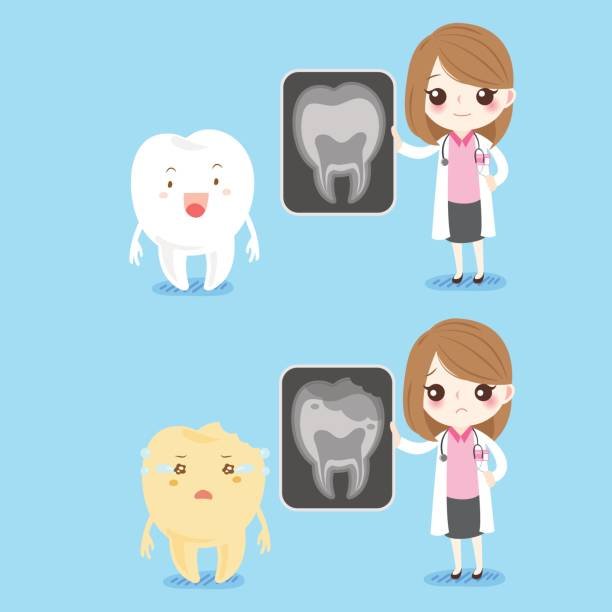
Dental X-rays (radiographs) are images of your teeth that your dentist uses to evaluate your oral health. These X-rays are used with low levels of radiation to capture images of the interior of your teeth and gums. This can help your dentist identify problems, like cavities, tooth decay, and impacted teeth. There are several types of dental X-rays, including:
- Bitewing X-rays: Show details of the upper and lower teeth in one area of the mouth. Each bitewing shows a tooth from its crown to about the level of the supporting bone.
- Periapical X-rays: Show the whole tooth—from the crown to beyond the root where the tooth attaches into the jaw.
- Panoramic X-rays: Show the entire mouth area—all the teeth in both the upper and lower jaws—on a single X-ray.
- Occlusal X-rays: Show the roof or floor of the mouth and are used to find extra teeth, teeth that have not yet broken through the gums, jaw fractures, a cleft palate, cysts, abscesses, or growths.
Situations Warranting Dental X-rays and Imaging
Dental X-rays and imaging are recommended in several situations, including:
- Routine Check-ups: Regular dental check-ups often include X-rays to monitor the health of your teeth and gums and to detect any early signs of dental issues.
- Diagnosis of Dental Problems: X-rays are essential for diagnosing various dental problems, such as cavities, tooth decay, gum disease, and infections.
- Pre-Treatment Planning: Before certain dental procedures, such as implants, braces, or extractions, X-rays are used to plan the treatment accurately.
- Monitoring Dental Health: X-rays help monitor the progress of dental treatments and the health of previously treated areas.
- Assessment of Jaw and Bone Health: X-rays are used to assess the health of the jawbone and detect any abnormalities, such as cysts, tumors, or bone loss.
Treatment Plans Involving Dental X-rays and Imaging
The process of getting dental X-rays typically involves several steps:
- Initial Consultation: The dentist will review your dental history and discuss any symptoms or concerns you may have. They will determine if X-rays are necessary based on your oral health needs.
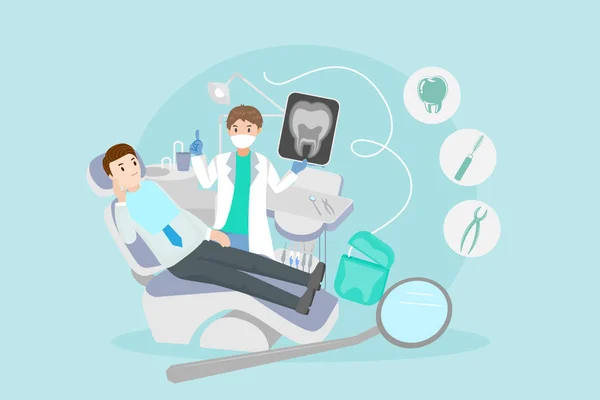
- Preparation: You will be asked to wear a lead apron to protect your body from radiation. The dentist or dental hygienist will position you and the X-ray machine to capture the necessary images.
- Taking the X-rays: The X-ray machine will be positioned next to your head to capture images of your teeth and jaw. You may be asked to bite down on a piece of plastic to keep your teeth in place.
- Image Analysis: The dentist will analyze the X-ray images to identify any dental issues and plan the appropriate treatment.
- Follow-Up: Based on the findings from the X-rays, the dentist will discuss the treatment plan with you and schedule any necessary follow-up appointments.
Advantages of Dental X-rays and Imaging
Dental X-rays and imaging offer several benefits, including:
- Early Detection: X-rays help detect dental problems at an early stage, allowing for timely intervention and treatment.
- Accurate Diagnosis: X-rays provide detailed images of the teeth, gums, and jaw, enabling accurate diagnosis of dental issues.
- Treatment Planning: X-rays are essential for planning various dental treatments, such as implants, braces, and extractions, ensuring precise and effective procedures.
- Monitoring Progress: X-rays help monitor the progress of dental treatments and the health of previously treated areas.
- Comprehensive Oral Health Assessment: X-rays provide a comprehensive assessment of your oral health, helping to identify any underlying issues that may not be visible during a routine examination.
Precautions to Take Post-Treatment
After undergoing dental X-rays, it is essential to take certain precautions to maintain oral health and ensure the effectiveness of any subsequent treatments:
- Follow Dentists Instructions: Follow any specific instructions provided by your dentist regarding post-treatment care and follow-up appointments.
- Maintain Oral Hygiene: Continue to maintain good oral hygiene by brushing twice a day and flossing daily to prevent dental issues.
- Monitor Symptoms: Be vigilant about any changes in your oral health, such as pain, swelling, or sensitivity, and report them to your dentist immediately.
- Regular Dental Check-ups: Schedule regular dental check-ups to monitor your oral health and detect any potential issues early.
- Healthy Diet: Maintain a healthy diet rich in fruits and vegetables to support overall oral health.
What to Know Before the Procedure
Before undergoing dental X-rays, it is important to be well-informed about the procedure and what to expect:
- Radiation Exposure: Dental X-rays use low levels of radiation, and the risk is minimal. However, inform your dentist if you are pregnant or have any concerns about radiation exposure.
- Procedure Duration: The process of taking dental X-rays is quick and typically takes only a few minutes.
- Comfort: The procedure is painless, but you may experience slight discomfort from biting down on the plastic piece used to position your teeth.
- Frequency: The frequency of dental X-rays depends on your oral health needs. Your dentist will recommend how often you should have X-rays based on your dental history and risk factors.
- Cost and Insurance: Inquire about the cost of dental X-rays and whether your dental insurance covers the procedure. Many insurance plans cover X-rays as part of preventive care.
Conclusion
Dental X-rays and imaging are invaluable tools for maintaining oral health and detecting dental issues early. By understanding the treatment plans, advantages, precautions, and essential pre-procedure information, you can make informed decisions about your dental care. Regular dental visits and good oral hygiene practices are key to maintaining the health and longevity of your teeth and gums. Always consult with your dentist to determine the best course of action for your specific needs and ensure a successful outcome.