
Braces
Other Treatments
What Are Braces?
Braces are dental devices used to straighten teeth, correct bite issues, and improve overall dental health. They consist of brackets that are attached to the teeth and connected by wires and elastic bands. Over time, braces apply gentle pressure to the teeth, gradually moving them into the desired position.
Situations Warranting Braces
Braces are recommended in several situations, including:
- Crooked or Misaligned Teeth: Braces can straighten teeth that are crooked or misaligned, improving both function and appearance.
- Overbite or Underbite: Braces can correct bite issues, such as overbite (upper teeth overlap the lower teeth) and underbite (lower teeth overlap the upper teeth).
- Crowded Teeth: When there is not enough space in the mouth for all the teeth to fit properly, braces can help create space and align the teeth.
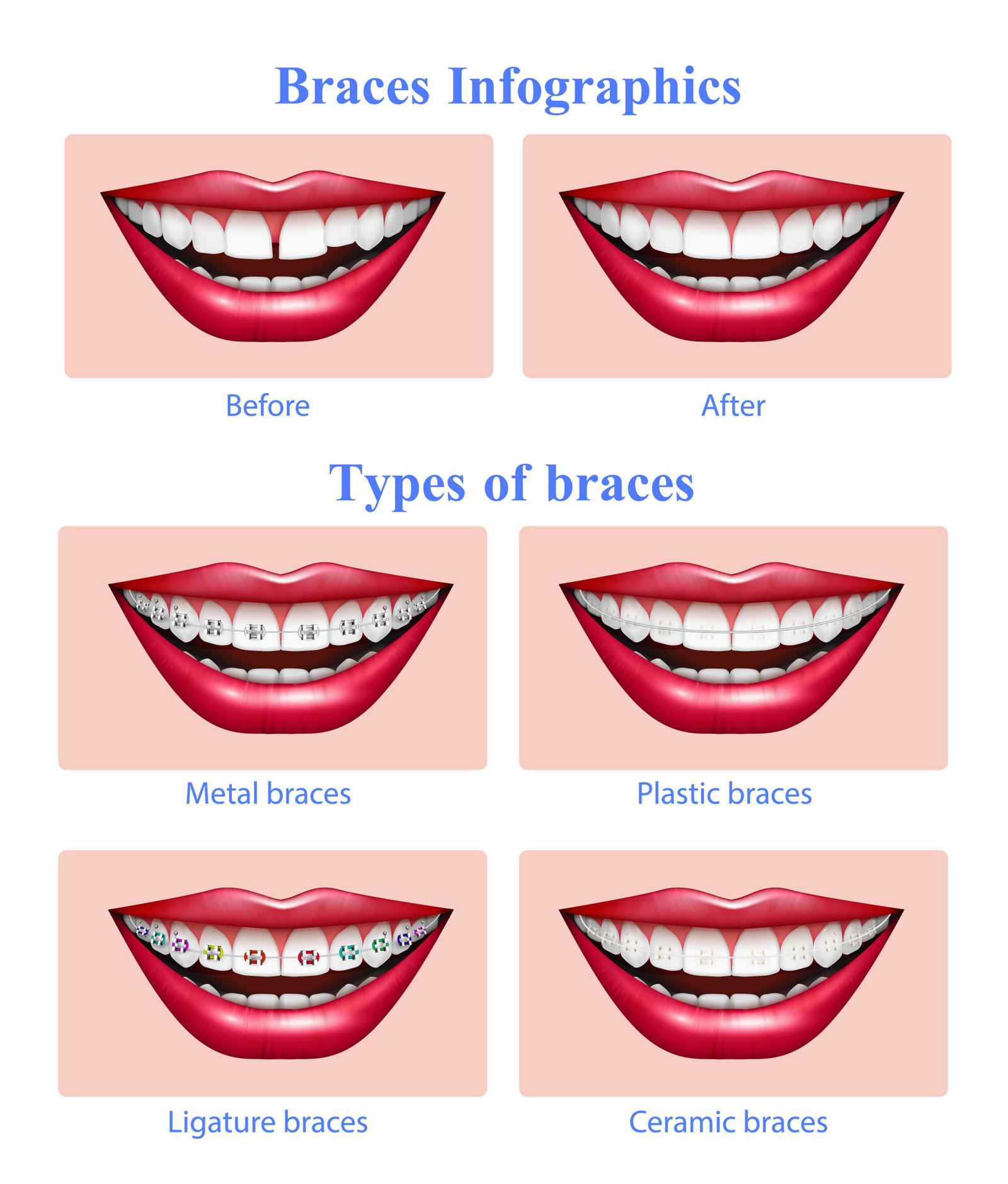
- Gaps Between Teeth: Braces can close gaps between teeth, creating a more uniform and attractive smile.
- Jaw Alignment Issues: Braces can correct jaw alignment issues, such as crossbite (upper teeth fit inside the lower teeth) and open bite (front teeth do not touch when the mouth is closed).
Treatment Plans for Braces
The process of getting braces typically involves several steps:
- Initial Consultation: The orthodontist will examine your teeth, take X-rays, and discuss your goals and concerns. They will determine if braces are the appropriate solution for your needs and explain the treatment plan.
- Treatment Planning: The orthodontist will create a customized treatment plan based on your specific dental issues. This plan will outline the type of braces to be used, the estimated duration of treatment, and any additional procedures that may be required.
- Placement of Braces: During the placement appointment, the orthodontist will clean and dry your teeth, apply a bonding agent, and attach the brackets to your teeth. The archwire is then threaded through the brackets and secured with elastic bands.
- Adjustments: Regular adjustment appointments are necessary to tighten the wires and ensure the teeth are moving as planned. These appointments typically occur every 4-6 weeks.
- Removal of Braces: Once the teeth have moved into the desired position, the braces are removed. The orthodontist will clean your teeth and may take impressions for a retainer.
- Retention: After the braces are removed, a retainer is usually worn to maintain the new position of the teeth and prevent them from shifting back.
Advantages of Braces
Braces offer several benefits, including:
- Improved Oral Health: Straight teeth are easier to clean, reducing the risk of cavities, gum disease, and other dental issues.
- Enhanced Appearance: Braces can significantly improve the appearance of your smile, boosting your confidence and self-esteem.
- Better Bite Function: Correcting bite issues can improve chewing and speaking abilities, enhancing overall oral function.
- Prevention of Dental Problems: Addressing misalignment and bite issues early can prevent more serious dental problems in the future.
- Long-Term Results: With proper care and maintenance, the results of orthodontic treatment with braces can last a lifetime.
Precautions to Take Post-Treatment
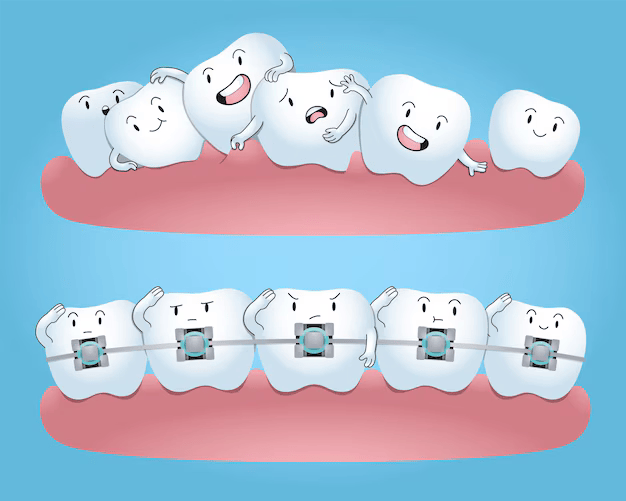
After undergoing orthodontic treatment with braces, it is essential to take certain precautions to ensure the longevity of the results and maintain oral health:
- Oral Hygiene: Maintain good oral hygiene by brushing twice a day and flossing daily. Use a fluoride toothpaste and an interdental brush to clean around the brackets and wires.
- Avoid Certain Foods: Avoid hard, sticky, and sugary foods that can damage the braces or cause cavities. Examples include popcorn, nuts, chewing gum, and hard candies.
- Wear a Retainer: Follow your orthodontists instructions regarding the use of a retainer. Wearing a retainer as prescribed is crucial to maintaining the new position of your teeth.
- Regular Dental Check-ups: Visit your dentist regularly for check-ups and cleanings to monitor your oral health and ensure the braces are functioning properly.
- Protect Your Teeth: If you play sports, wear a mouthguard to protect your teeth and braces from injury.
What to Know Before the Procedure
Before getting braces, it is important to be well-informed about the procedure and what to expect:
- Types of Braces: Discuss the different types of braces available with your orthodontist. Options include traditional metal braces, ceramic braces, lingual braces, and clear aligners (such as Invisalign). Each type has its advantages and disadvantages, and the choice will depend on factors like your dental needs, budget, and aesthetic preferences.
- Procedure Duration: The duration of orthodontic treatment with braces varies depending on the complexity of the case. Most treatments last between 18 months to 3 years.
- Discomfort: It is common to experience some discomfort or soreness after the placement of braces and during adjustment appointments. This discomfort usually subsides within a few days and can be managed with over-the-counter pain relievers.
- Cost and Insurance: Inquire about the cost of braces and whether your dental insurance covers the procedure. Many insurance plans cover orthodontic treatment, but it is important to understand your coverage and any out-of-pocket expenses.
- Commitment: Orthodontic treatment with braces requires a commitment to regular adjustment appointments, good oral hygiene, and following your orthodontists instructions.
Conclusion
Braces are a versatile and effective solution for correcting misaligned teeth and bite issues, improving both function and appearance. By understanding the treatment plans, advantages, precautions, and essential pre-procedure information, you can make informed decisions about your orthodontic care. Regular dental visits and good oral hygiene practices are key to maintaining the health and longevity of your teeth and gums. Always consult with your orthodontist to determine the best course of action for your specific needs and ensure a successful outcome.